

























































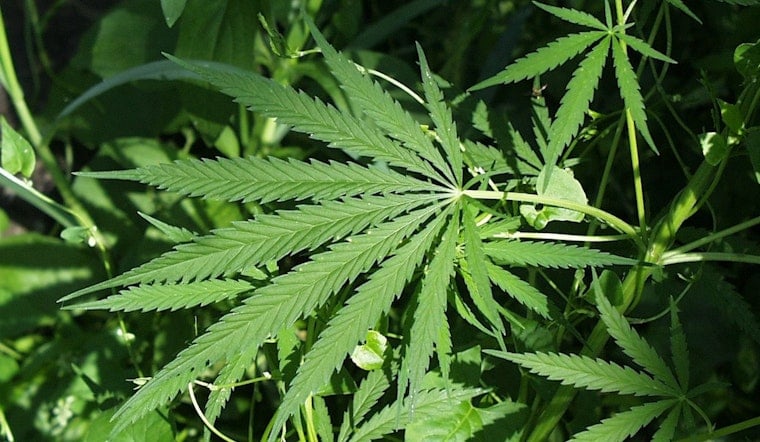
Oklahoma’s medical marijuana patients could soon see a lot more tax at the bottom of their receipts, as county governments move a step closer to slapping on hefty local add-ons. A proposal at the Capitol, HB3314, would let counties charge a public-service-impact tax on retail marijuana sales - up to 15% - if local voters sign off in a special election. Backers say it is a way to fund sheriffs, police, fire departments and cleanup of rundown properties. Critics counter that piling on more costs will simply nudge patients toward the illicit market.
How the tax would work
According to the bill text filed with the Oklahoma Legislature, HB3314 would let counties levy a public service impact tax on retail marijuana sold by for-profit businesses, while specifically exempting marijuana grown on private property for personal use that is not sold. Counties could set the rate, but only up to a 15% cap.
Any tax would still need local buy-in. The measure requires approval from a majority of registered voters in that county, either in a special election or through an initiative petition. The bill also lets counties contract with the Oklahoma Tax Commission to assess, collect and enforce the new tax, and it lays out how and when notices must be given, how long a levy can run and the basic rules for putting one on the books.
Where the money would go
Supporters want the revenue flowing into county general funds, with spending aimed at public safety and neighborhood cleanup. They argue counties are the ones dealing with the everyday side effects of a booming marijuana market, from calls to law enforcement to nuisance properties.
“Counties are the ones dealing with the day-to-day impact of marijuana sales,” Rep. Ryan Eaves (R-Atoka) said after the House County and Municipal Government Committee signed off on the bill in a 6-0 vote. The measure now heads to the House Government Oversight Committee, according to the Oklahoma House of Representatives.
How this fits with other proposals
HB3314 is not the only effort to give local governments a bigger bite of the medical marijuana pie. A separate proposal, Senate Bill 1125, was introduced last year by Sen. Dusty Deevers (R-Elgin) to allow both counties and municipalities to levy excise taxes on medical marijuana. The measure has already cleared at least one Senate committee. LegiScan tracks the bill’s history and full text for that earlier Senate effort.
Arguments for and against
Backers of HB3314 say counties are absorbing real-world costs from the state’s sprawling medical marijuana system and deserve a local option to raise revenue. They frame the tax as a way to shore up law enforcement, fire protection and cleanup efforts without having to beg for cash from Oklahoma City.
Opponents - including some business owners and patient advocates - respond that another round of taxes on what is, for many, medicine will only drive prices higher. That, they warn, risks sending buyers straight back to the illicit market the state has been trying to rein in. Gov. Kevin Stitt has pushed lawmakers to overhaul the entire medical marijuana program and has suggested putting it back on the ballot, a stance that has rattled parts of the industry. KOCO has reported that business owners worry higher costs could hurt compliant operators and push consumers toward the black market.
Next steps
HB3314’s journey is still just getting started. With the bill now in the hands of the House Government Oversight Committee, lawmakers can amend or rework it before it ever reaches a floor vote. If it ultimately passes, the act would take effect Nov. 1, 2026, for any levy or rate change. Counties would still have to win a local special election before they could collect a single dollar.
So for now, this is more warning shot than done deal. Legislative trackers and local outlets such as News 9 note that the proposal is moving but far from finished, setting up a spring full of closely watched hearings for county officials, dispensary owners and patients alike.





