

























































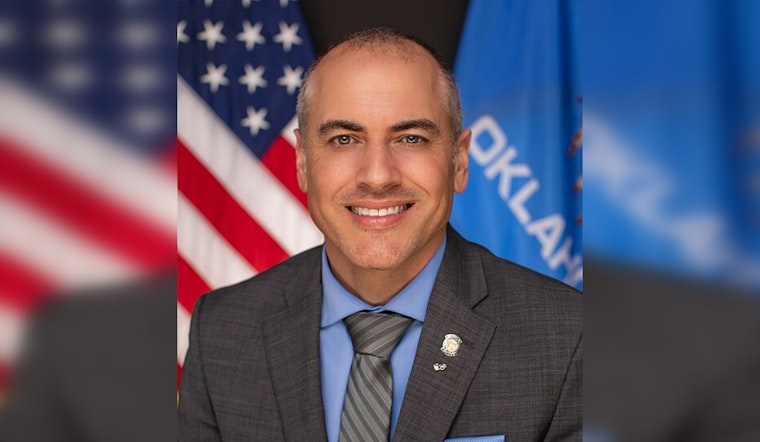
Oklahoma lawmakers are moving a proposal that could put a little cash back in the pockets of people who rely on health care sharing ministries instead of traditional insurance. The plan would let members write off what they pay into these ministries on their state income taxes. Fans say it is about treating their faith or conscience-based choice the same as insurance. Skeptics counter that these ministries are not insurance at all and can leave people on the hook if fellow members do not pitch in.
What the bill would do
House Bill 2942, filed this session by Rep. Derrick Hildebrant and dubbed the Health Care Sharing Ministry Tax Parity Act, lays out who qualifies and what they can claim. According to LegiScan, the bill defines a health care sharing ministry as a 501(c)(3) nonprofit that limits membership to people who share common ethical or religious beliefs and that facilitates voluntary sharing of medical costs among its members. Starting with tax years that begin on or after January 1, 2027, "qualified individuals" would be able to deduct qualified health care sharing expenses from their Oklahoma adjusted gross income.
Costs and oversight
A fiscal analysis prepared for the House projects an annual hit of about $477,000 to state income tax collections if the deduction becomes law, using membership data provided by the Alliance of Health Care Sharing Ministries, according to the House fiscal summary. The proposal would also keep money that members receive from ministries to help with medical bills out of their Oklahoma taxable income.
On the accountability side, the bill would require ministries to undergo independent audits every year and would tell the Oklahoma Tax Commission to create the forms and verification procedures people will need in order to claim the deduction, following the requirements spelled out in the bill.
Supporters and critics
Rep. Hildebrant told KGOU/StateImpact Oklahoma that the idea started with a request from a constituent and that supporters see the measure as a way to boost transparency and give health care sharing ministries tax treatment similar to insurance.
The Alliance of Health Care Sharing Ministries has praised the bill as a way to "level the playing field" for thousands of Oklahomans who rely on sharing arrangements. Critics say that nice phrase needs a big asterisk. Health policy analysts caution that these ministries are not regulated like insurance and can decide not to share in certain costs. As StateImpact Oklahoma reported, HealthInsurance.org analyst Louise Norris warned that some members can be left "high and dry" when their expenses are not shared.
Where it goes next
For now, the bill is still inching through the legislative maze. Tracking sites show it was sent to the House Appropriations and Budget Finance Subcommittee on February 3 and remains in the committee process as lawmakers juggle budget tradeoffs, according to LegiScan. If it clears appropriations, it would move to the House floor for a vote and, if passed by the full Legislature, would take effect on the schedule set out in the measure.
Why it matters
On paper, the proposal is a straightforward tax break for people who prefer faith or belief-based health care sharing over traditional insurance. In practice, it highlights a tradeoff that has dogged these ministries for years. They occupy a gray area. They are not insurance, and the Oklahoma Insurance Department has said it does not have authority to resolve consumer complaints over their cost-sharing decisions.
As committees dig into House Bill 2942, lawmakers are weighing the promise of tax parity and a modest revenue hit against the consumer protection worries raised by regulators and policy experts who urge potential members to read the fine print before they sign up.





.jpg)