

























































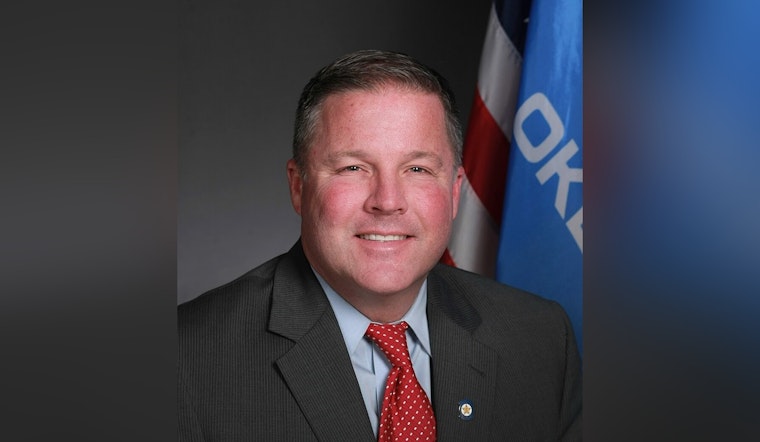
In a move to streamline the response to escalating wildfire threats across Oklahoma, Pro Tem Lonnie Paxton has successfully ushered Senate Bill 1550 through committee approval, a legislative piece that seeks to demystify the protocol for issuing burn bans in the state's counties. The bill, as it stands, will empower boards of county commissioners, in collaboration with the Oklahoma Secretary of Agriculture, to call for burn bans within their jurisdictions, in hopes of ensuring public safety is adequately protected amid such fiery dangers.
Paxton, who carries the experience of a volunteer firefighter spanning 35 years under his belt, recalled past confusion regarding the exact chain of command when wildfires ran rampant across communities in Oklahoma. "Last year, when wildfires broke out in communities across Oklahoma, there was confusion over who had the authority to issue a burn ban," Pro Tem Paxton told the Oklahoma Senate. "As a volunteer firefighter for 35 years, I’ve seen firsthand how quickly these situations can escalate if action isn’t taken in a timely manner. This legislation provides clarity and gives counties the flexibility they need to protect their communities when the state hasn’t acted," he added.
Praise for the unanimously passed Senate Bill 1550 extends beyond the Agriculture and Wildlife Committee. It is viewed by many as a provision for sharper, more efficient governance at a county level, permitting local officials to respond with agility and precision as the arid winds of threat loom. By providing counties with the authority to issue burn bans independently, it addresses a critical gap in emergency response observed during past wildfire seasons.
Undoubtedly, Senate Bill 1550 paints a picture of an Oklahoma more resilient in the face of the threat of wildfires, proactively placing power where it is most impactful—in the hands of those locally elected to watch over the community's welfare. As this legislation moves forward, it carries with it the hope that the confusion which once clouded such emergency deliberations is now a relic of the past, paving the way for a future where response times are slashed, and public safety is positioned at the forefront of policy-making efforts within the Sooner State, according to the Oklahoma Senate.





