

























































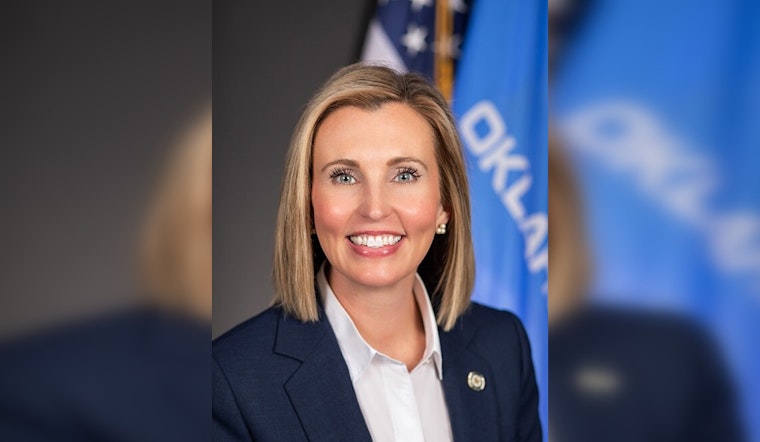
Oklahoma's latest legislative push to refine its approach to nutrition assistance took a decisive step forward with Senate Bill 1833, spearheaded by Senator Kristen Thompson, R-Edmond. The bill seeks to tighten restrictions on what can be purchased with Supplemental Nutrition Assistance Program (SNAP) benefits, exclusively permitting the acquisition of healthier foods and aiming to curtail issues of waste, fraud, and abuse that currently haunt the system. As reported by the Oklahoma Senate, the move is not just about course-correcting Oklahoma's 10.9% SNAP payment error rate—one of the country's highest—but also about dodging millions in potential penalties should the state not align with federal guidelines. These guidelines mandate an error rate of no more than 6%, without which financial penalties are imminent.
Caught within the complexities of this legislation is the banishment of candies, sodas, and other nutritionally void products from the SNAP-eligible purchase list. Also embedded within, Senator Thompson's effort to bolster oversight further drags Oklahoma toward a looming federal cost-sharing requirement. A requirement commencing in 2028 implies that states with excessive payment error rates will need to shoulder some of the SNAP benefit costs, a burden that, for Oklahoma, could attract more than $225 million in annual penalties. "This is legislation to ensure individuals who need SNAP assistance are using it to buy clean, healthy foods and not for fraudulent activity,” Senator Thompson said, as she heralded the bill's advancement. "Programs like SNAP should be utilized as an avenue for temporary assistance, not a paycheck," she told the Oklahoma Senate.
The bill positions the Oklahoma Department of Human Services (DHS) on a critical path; as per the bill’s stipulations, DHS must secure a federal waiver from the U.S. Department of Agriculture’s Food and Nutrition Service and swing into action within six months of approval. The bill stipulates a level of transparency, compelling DHS to provide an annual report to legislative leaders and the governor, a report detailing the implementation's progress, SNAP spending patterns, and any challenges stumbled upon along the way. This structured reporting is expected to offer snapshots of the program's health, potentially guiding future policy decisions.
Senator Thompson's commitment to this reform reflects an awareness of SNAP's evolution. The program, she argues, should foster a means to an end—healthy eating and financial respite—not become an end in itself through misuse. “We must be good stewards of taxpayer dollars, while cutting down on fraud, waste, and abuse," she emphasized to the Oklahoma Senate. With SB 1833, the aspirations are clear: raise the integrity of SNAP in Oklahoma, a state currently straddling fiscal uncertainty and the health of its most vulnerable, and ensure that SNAP dollars flow into nourishing the bodies and lives of those they're meant to aid.





