

























































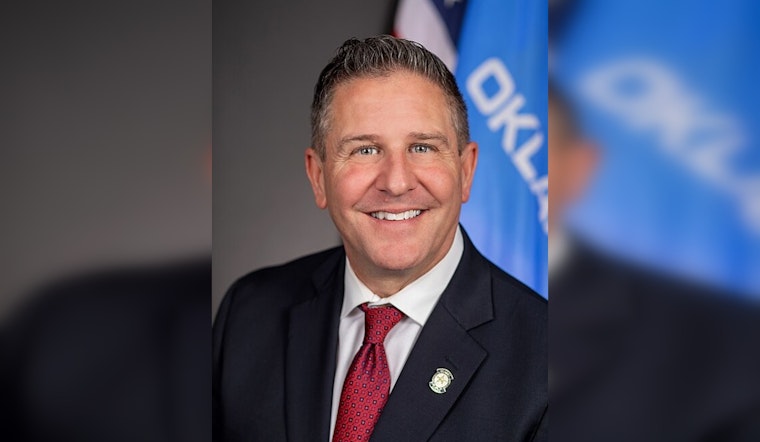
In a move to safeguard religious gatherings from disruptions, the Oklahoma Senate has passed Senate Bill 743, a legislative effort spearheaded by Sen. Todd Gollihare designed to update and reinforce existing laws. This bill, which focuses specifically on conduct and targets organized attempts to disrupt worship, passed with notable support at 31-15 and will now be directed to the governor's desk, complete with an emergency clause to facilitate its prompt enactment, as reported by the Oklahoma State Senate's official website.
The crux of Senate Bill 743 lies in its clear demarcation of parameters for protestors around places of worship, mandating that they must maintain a distance of at least eight feet from individuals entering or exiting the vicinity unless permission is granted to come closer, Gollihare underscored the necessity of the legislation, stating "Oklahomans should never have to choose between exercising their faith and feeling safe while doing so," a sentiment reflecting the bill's intent to segregate peaceful worship from confrontational activism that seems to be on the rise across the nation, which often result in these sacred spaces becoming unwilling arenas for political theatrics, as stated by the Oklahoma State Senate.
As noted in the Oklahoma State Senate's publication, this legislative action is a response to a perceived increase in coordinated disruptions, wherein activists have reportedly employed intermediaries to conduct harassment within religious centers while the orchestrators remain at arm's length, attempting to circumvent legal consequences. In Gollihare's words, this bill aims to address the heart of the issue: "Yet that is exactly what happens when worship services are deliberately targeted and turned into political battlegrounds."
Supporters say the bill is meant to protect people’s right to worship without disruption. Critics, however, worry it could limit free speech and protest near religious spaces. As the governor considers signing the bill, many in Oklahoma are watching closely. How the law is enforced could affect the balance between constitutional rights and personal religious practice.





