

























































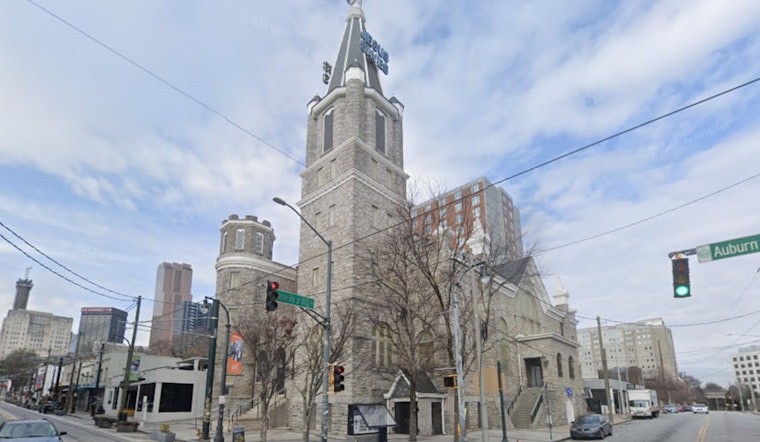
The pulpit at Big Bethel A.M.E. Church turned into a hard-edged civics class on Sunday, as Sen. Jon Ossoff and Fulton County District Attorney Fani Willis used the historic Sweet Auburn sanctuary to warn about threats to voting rights, civil liberties and the justice system. The Social Justice Sunday service drew a full house for Black History Month programming, where scripture mixed with strategy and both speakers pressed the crowd to turn faith into organized political action.
As reported by CBS News Atlanta, Ossoff told the congregation, "Our nation is afflicted and in crisis," as he condemned election denialism and warned of coordinated efforts to blunt the political power of Black voters. He urged Georgians to "build grassroots momentum heading into 2026," casting civic participation as the hinge on which both Georgia's and the nation's future will turn.
Big Bethel's website billed the gathering as a "Blackout Social Justice Sunday" and promoted National Urban League President Marc H. Morial as the guest keynote. The church, often called the "City Hall of Sweet Auburn," has a long history of serving as a hub for civil-rights organizing and political gatherings in Atlanta, according to Big Bethel AME Church.
Willis' message and the legal backdrop
Willis, who has spent months under legal and political scrutiny, greeted Big Bethel as a "home" and warned that "Today, justice is controversial," urging those in the pews not to stay quiet, according to CBS News Atlanta. Local reporting has tracked inquiries and public-record rulings involving her office in recent years, providing the tense backdrop for her remarks.
Why the pulpit pushed politics
Ossoff's explicit call to organize was clearly aimed at next year's election cycle, in a Georgia that remains one of the country's most closely watched battlegrounds, according to national polling and coverage. Newsweek and other outlets have underscored the state's swing status as candidates and organizers begin sketching out 2026 strategies.
For Big Bethel and the leaders who climbed its pulpit, the takeaway was blunt: faith and civic action belong in the same conversation. Organizers said the church's call was less about party labels and more about defending rights and access, a standard they say will shape their outreach in the months to come.



