

























































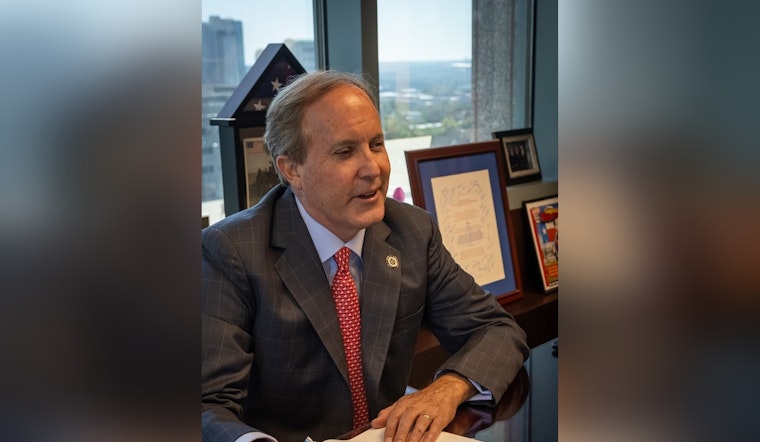
Texas Attorney General Ken Paxton has gone to court to shut down CAIR-Texas, the state branch of the Council on American-Islamic Relations, asking judges to block the group from owning property or recruiting members anywhere in Texas. Paxton cast the move as part of a broader push to stop what he called “radical Islamic terrorists” and to safeguard public safety. CAIR-Texas blasted the lawsuit as “belated and bigoted” and said it plans to fight the case in court.
Paxton’s office is describing the complaint as a civil action against the Muslim Brotherhood and CAIR that would bar those organizations and their affiliates from operating in Texas, including acquiring land or soliciting members, according to a press release from the attorney general. In that release, Paxton said, "Sharia law and the jihadists who follow sharia law have no business being in Texas." The Texas Attorney General's Office posted the filing and said it is seeking injunctions and civil remedies to halt the groups’ activities.
The lawsuit was first detailed by the Houston Chronicle, which reported that Paxton named CAIR chapters in Austin, Houston, and Dallas-Fort Worth, and noted that Gov. Greg Abbott had urged such an action after labeling CAIR a terrorist organization late last year. The Houston Chronicle also cited CAIR’s response, which called the case frivolous and politically driven.
Where the dispute comes from
Abbott’s Nov. 18, 2025, proclamation designated the Muslim Brotherhood and CAIR as "foreign terrorist organizations" and leaned on a new state law to argue that those groups could be blocked from purchasing land in Texas. That proclamation, along with the statutes it invokes, underpins the legal theory the state is now using to seek civil remedies such as injunctions and property restrictions. The proclamation text was filed with the Texas Secretary of State and lays out the state’s property-control and public-nuisance arguments. The Texas Secretary of State contains the full proclamation language.
Legal questions ahead
Constitutional lawyers say the case will test whether a governor’s political proclamation, paired with a state civil lawsuit, can be used to restrict the work of a domestic advocacy group without running into First Amendment protections. CAIR has already sued Abbott in federal court, arguing that the terrorist designation is unconstitutional and defamatory, so Paxton’s new state action effectively opens a second front in the fight. The Associated Press and other outlets have reported on CAIR’s federal challenge and the wider legal debate it has triggered.
Politics and local reaction
The lawsuit lands while Paxton is campaigning for a U.S. Senate seat and follows a series of Republican efforts this year to rein in Muslim-led projects and institutions, a pattern critics argue amounts to political theater with real civil-liberties stakes. Local Muslim leaders and civil-rights advocates warn that the litigation could chill speech, organizing and day-to-day service work. CAIR says it will keep serving Texans and plans to defend itself aggressively in court. Hoodline previously covered the early filings and community backlash to Abbott’s proclamation, reporting on that earlier fight.
Procedurally, the next steps are in the hands of the courts. Judges will decide whether the state has shown enough to justify emergency relief and whether Paxton’s complaint meets the legal bar to shut down or sharply limit a nonprofit’s operations. Both sides say they are bracing for a long haul. The Texas Attorney General's Office has posted the complaint and its exhibits for anyone who wants to read the case file for themselves.




