

























































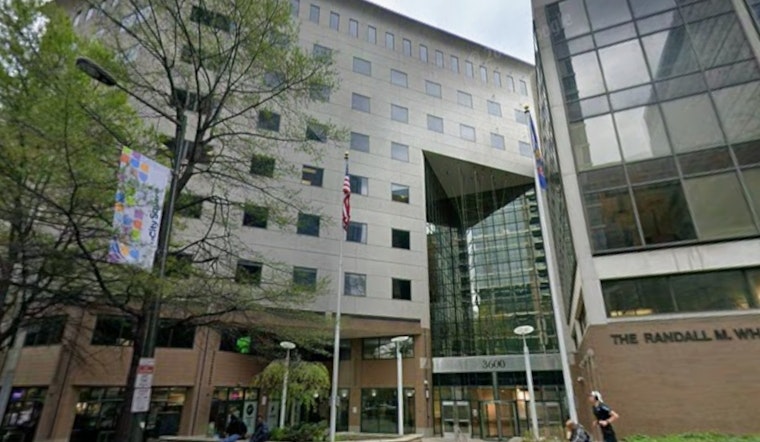
On Feb. 25, 2026, Penn's School of Arts and Sciences pulled back the curtain on a sweeping strategic framework called "SAS Horizons: Pathways for a Changing World." Dean Mark Trodden outlined the vision in an email to the school community, paired with a new website, and set the stage for what could be a multi-year shake-up of how undergraduates learn, how research gets funded, and how classrooms and labs are built out across campus, including at David Rittenhouse Laboratories.
What the plan proposes
As detailed on SAS Horizons, the framework revolves around three main priorities: reinforcing Arts & Sciences as Penn's intellectual core, cultivating human creativity, judgment, and inquiry, and educating students to handle complexity. The document highlights initiatives such as an AI & Data Across SAS collaborative, a Future of the Humanities hub, expanded programs focused on climate and global contexts, and a Dean's Horizons Fund that is meant to offer flexible philanthropic backing for ambitious, cross-cutting projects. Leaders describe these pathways as a way to knit together teaching, research, and public engagement across disciplines more intentionally.
Curriculum overhaul and timeline
The plan calls for a "bold" reimagining of the College's undergraduate curriculum and builds on a pilot program called College Foundations that ran this academic year for first-year students. According to The Daily Pennsylvanian, SAS officials said faculty will review a proposed curriculum this spring, with a target implementation date of Fall 2027.
Rethinking labs and teaching spaces
The framework, as posted on SAS Horizons, singles out David Rittenhouse Laboratories as "one of the most heavily used teaching facilities on campus" whose mid-20th-century classrooms and labs no longer match the requirements of modern science. The Daily Pennsylvanian reported that a SAS spokesperson described the Physical Sciences Complex Project, which would include work on DRL, as currently in the planning and design stage and said it is intended to connect new lab space with undergraduate teaching areas and maker or collaborative facilities. School leaders frame the overhaul as crucial both for staying competitive in research and for giving students lab experiences that align with current scientific practice.
Where this fits with Penn Forward
The timing of the Horizons rollout lines up with the university-wide Penn Forward initiative, launched by President J. Larry Jameson in September 2025, which is moving toward operational recommendations designed to turn Penn's broader strategy into concrete actions. As reported by Penn Today, six working groups were formed to develop implementable proposals, with their reports scheduled for early 2026. That broader process forms the backdrop for SAS's move to put its own roadmap on the table.
Next steps for students and faculty
How quickly undergraduates feel the impact of Horizons will hinge on two big variables: whether faculty sign off on the curricular proposal this spring and how the Physical Sciences Complex ultimately gets financed. For now, the SAS Horizons framework lays out a multi-year agenda of curriculum testing, facilities planning, and fundraising that, if it all comes together, could significantly reshape day-to-day undergraduate life at Penn.


