

























































Pennsylvanians are getting a smoother and ostensibly safer ride this winter, thanks to investments made by the Shapiro Administration in roadway safety. Citing a dip in winter crashes by an average of 7 percent, along with a significant 34 percent decrease in severe injuries and fatalities, the Pennsylvania Department of Transportation (PennDOT) and allied agencies are touting the success of the newly installed Variable Speed Limit (VSL) signs across the state. The initiative, they report, is literally saving lives, guiding drivers through the unpredictable and often treacherous winter weather conditions.
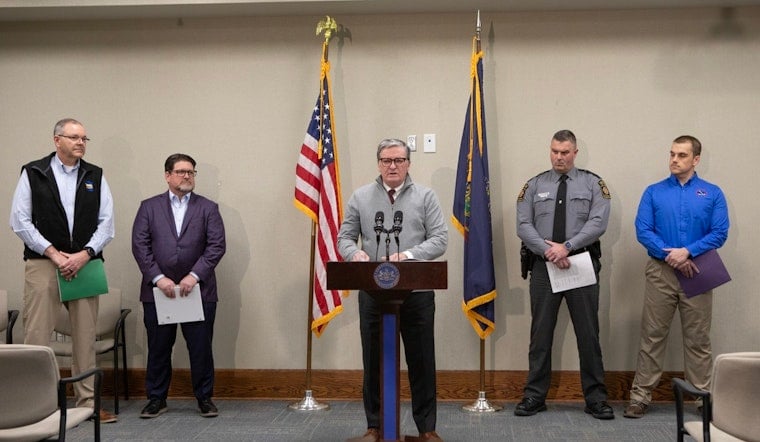
At a press event at PennDOT's District 2 Regional Traffic Management Center (RTMC) in Clearfield, PennDOT Secretary Mike Carroll underscored the imperative of cautious driving during the wintry months. "Safe driving is important year-round, but it's even more essential in the winter when weather conditions can change quickly," he noted, as reported by PACast. A resource endorsed by PennDOT, designed to educate drivers on maneuvering safely through sudden snow squalls, advises a series of precautions. Among them, should drivers get caught in a snow squall while on the interstate is to seek shelter by taking the next exit when possible. In scenarios where an exit is not immediately accessible, maintaining lane discipline and gradually reducing speed, methodically increasing following distance, and utilizing headlights as well as hazard lights to remain visible to others are recommended.
The collaborative effort spanning from the Pennsylvania Turnpike Commission (PA Turnpike) to the Pennsylvania State Police (PSP), and including the Pennsylvania Emergency Management Agency (PEMA) and the National Weather Service (NWS), evidences a comprehensive approach to statewide traffic management and emergency preparedness.





