

























































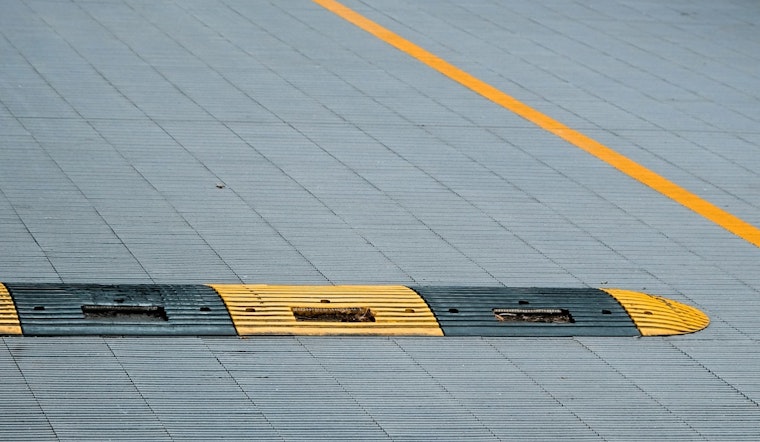
A report by the Philadelphia City Controller has found significant issues with the installation of speed cushions intended to slow traffic near city schools. According to the office of City Controller Christy Brady, nearly all speed cushions placed around the schools from 2023 to 2025 have been deemed improperly installed. As reported by FOX29, the City Controller's Office found that the discrepancies between the design and actual installation pose risks such as vehicle damage, loss of control, and potential obstacles for emergency vehicles at standard speed limits.
The findings, showcased in a 6ABC exclusive, reveal that out of 140 speed cushions at 44 schools inspected, only two met the height and length measurements as per the traffic engineer blueprints. Speed cushions, also referred to as speed humps or bumps, must comply with specific grades and heights to ensure their effectiveness without causing damage or hazards.
Furthermore, a review shared by CBS News Philadelphia stated that Brady found the majority of the speed cushions were at improper grades, "two to three times the amount" required. She raised concerns about the risks to public safety, with vehicle owners already reporting damages and pedestrians facing potential dangers from cars swerving to avoid the uncomfortably high bumps.
Adding to the financial strain on the city, the report highlighted that each speed cushion cost approximately $51,000 per school, amounting to more than $2.2 million for the 44 schools reviewed. Given the widespread errors, Brady emphasized the need for corrective action. Installations not meeting the standards, as Brady told CBS News Philadelphia, "we need to fix them." Therefore, the City Controller has urged the city to ensure compliance with safety standards or to seek restitution from the contractors responsible for these faulty installations.
The Philadelphia Streets Department, tasked with overseeing this project, has stated that it cannot comment until the report has been thoroughly reviewed. This comes at a time when residents, like Bruce Williams, a vehicle owner who suffered car damage from a high speed cushion, are delaying repairs in anticipation of city action. As he mentioned to 6ABC, "If I get it fixed, it's just going to break again." His and many other concerns still await the department's response and potential solutions for the improperly installed safety measures outside Philadelphia schools.





