

























































Philadelphia homeowners are staying put longer than at any time in the past twenty years, and that stubborn lock-in is choking the for-sale market. With sellers in the region now holding their homes for roughly 9.5 years on average, listings are thin on the ground and buyers are left circling a quieter market where competition spikes the moment something decent hits the MLS.
By the numbers, homeowners at the end of 2025 had owned their properties for an average of about 9.5 years in the Philadelphia metro, compared with a U.S. average of roughly 8.6 years, according to Axios. Working off ATTOM’s property records, the outlet also notes that Barnstable, Massachusetts, tops the nation with about 14.1 years of average tenure while Provo, Utah, turns over fastest at around 6.9 years. The steady climb in how long people stay put is part of a broad, two-decade shift across major metros.
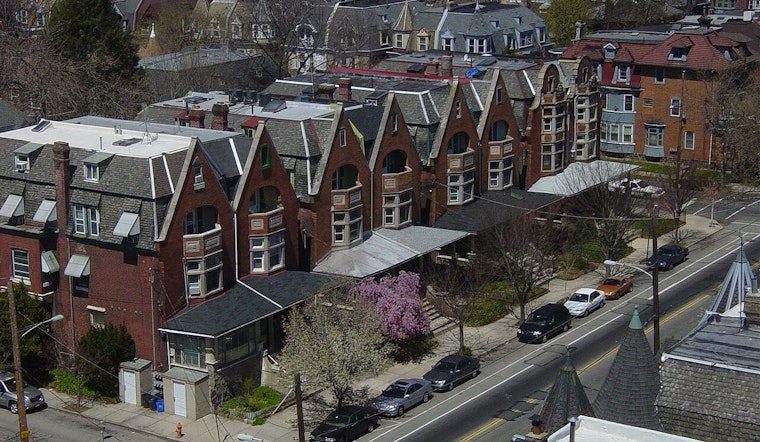
“The trend is especially pronounced in coastal and Northeast metros, where tenure often exceeds a decade,” ATTOM CEO Rob Barber told Axios. Philadelphia’s landscape of older, owner-occupied rowhomes fits that pattern neatly, and the result for local buyers is fewer choices and heavy demand whenever a well-located property finally comes up for sale.
The squeeze does not stop there. A recent brief from the Federal Reserve Bank of Philadelphia reports that the city’s homeownership rate slid from 57.5% in 2005 to 52.4% in 2023. The analysis points to affordability challenges and credit barriers that keep many would-be buyers on the sidelines. Layer that decline in ownership on top of long tenure among existing owners and you get an even deeper shortage of for-sale homes inside city limits.
Why sellers are staying put
Two forces are doing most of the work in keeping owners locked in: mortgage math and high prices. A Realtor.com analysis finds that the share of outstanding mortgages with rates above 6% now exceeds the share with rates below 3%. That dynamic flips the usual script, making it financially painful for many owners to trade in their ultra-low-rate loan for a new one. At the same time, national mortgage rates have been hovering in the low-6% range, which keeps monthly payments on any replacement home elevated, according to reporting from the AP.
City response and what buyers can expect
Philadelphia officials are trying to pry the market loose. Mayor Cherelle Parker’s H.O.M.E. plan is designed to build, preserve and rehab thousands of units, and the city has rolled out a Philly Stat 360 dashboard to track how that effort is going. Early coverage of the H.O.M.E. rollout and its goals is available in reporting on the city’s housing overhaul push. Nationally, the National Association of Realtors reported modest late-2025 gains in sales and small inventory improvements, though it cautioned that a broader recovery will depend on sustained rate relief and more new construction, per NAR.
What to watch now: mortgage rates, the spring listing season and how fast H.O.M.E. projects move from plans on paper to permits in hand. If borrowing costs drift lower and new units come online at meaningful scale, Philadelphia could see more homes hit the market and at least some relief for frustrated buyers. Until then, long tenure and affordability barriers will keep shaping a market with far fewer options than many shoppers expect when they first start scrolling the listings.





