

























































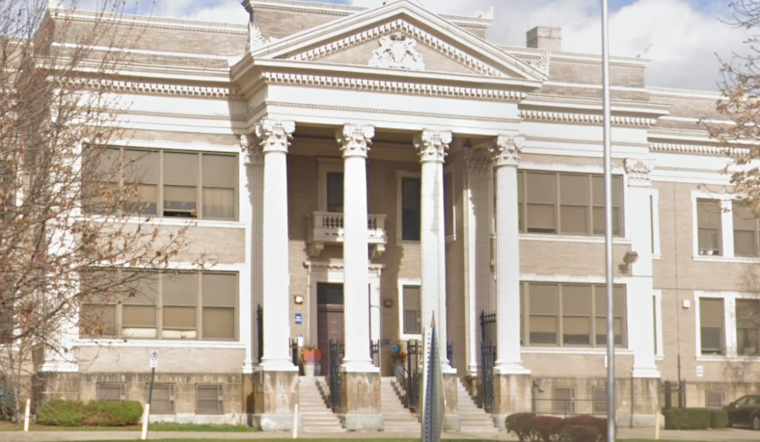
Pittsburgh Public Schools’ board yesterday unanimously shot down Three Rivers Wildflower Montessori’s bid to launch a new charter, quietly approving a resolution that denies the group access to public dollars for three proposed microschools across the city. The vote came and went with no public comment from board members, leaving the school’s founder and supporters to decide whether to overhaul their plan or head for an appeal.
District staff told the board the application was incomplete and could not be authorized because it did not list fixed sites, failed to include pre-enrollment documentation, and leaned on letters of support from people who do not live in the city, according to WESA. Lisa Augustin, the district’s director of charter schools, told members the proposal “is not new and innovative,” given that Pittsburgh already operates a Montessori magnet, and she raised concerns about whether the plan demonstrated sustainable enrollment and facilities readiness. The board’s recorded resolution was unanimous and passed without discussion during the vote.
Public Hearing Split Over Montessori Charter Push
The district’s posted testimony packet shows that both enthusiastic backers and wary critics turned out for a December public hearing and follow-up meetings. The packet lists Stephanie Lapine, parents, and community leaders among those who submitted written testimony and spoke in person. The public materials include dozens of letters and statements that both call for more Montessori seats and caution that new charters could drain resources from neighborhood schools, as detailed in the district testimony packet.
Three Rivers’ Microschool Vision
Three Rivers Wildflower pitched its plan as three intentionally small, tuition-free Montessori microsites designed to expand access to the model and cultivate a more diverse pipeline of Montessori educators. The group’s website promotes an opening in fall 2026 and lays out a child-centered mission. In written testimony to the board, Lapine urged officials to confront structural barriers that she said have limited Montessori access for Black and working-class families and argued that the approach could be used to train more teachers and broaden participation, according to the district’s testimony packet and the applicant’s site. Supporters in the materials cast the proposal as community-focused, while opponents pressed the district to double down on strengthening and replicating successful programs inside Pittsburgh Public Schools rather than authorizing an outside charter.
Data, Diversity, and Who Gets a Seat
Public data help explain why access to Montessori seats has become a flashpoint. National Center for Education Statistics records show that Pittsburgh Montessori K-5 enrolled about 339 students in 2023–24, and that the school’s roster that year was roughly 62% white and 14% Black. Local analysis from A+ Schools points to a teacher-diversity gap: its community report notes that only a small share of Montessori educators in Pittsburgh Public Schools are Black compared with the district’s K-5 teaching ranks, a disparity that advocates say makes expanding Montessori access a racial-equity issue. Supporters also highlight strong reading outcomes and relatively low chronic absenteeism at the Montessori site as reasons to bring the model into more neighborhoods.
Appeal Routes and What Comes Next
The applicants can submit a revised charter plan or appeal the denial to the state Charter School Appeal Board. WESA notes that an appeal requires a petition signed by at least 1,000 district residents and must follow procedures set out in Pennsylvania law. The State statute and the board’s materials outline the timeline and options for applicants who choose to pursue that path. For now, planners and families are weighing whether to rework the proposal, collect signatures, or press for more Montessori seats within the district itself.
The vote is the latest flashpoint in a long-running fight over charter expansion and local control. Pittsburgh’s school board has taken a more skeptical stance toward new charters in recent years, a pattern that has sent several denials to state appeals panels in past cases, according to reporting on the region’s charter history. The Three Rivers organizers say they will consider their next move while supporters continue to push the district on access and equity in Montessori programming.





