

























































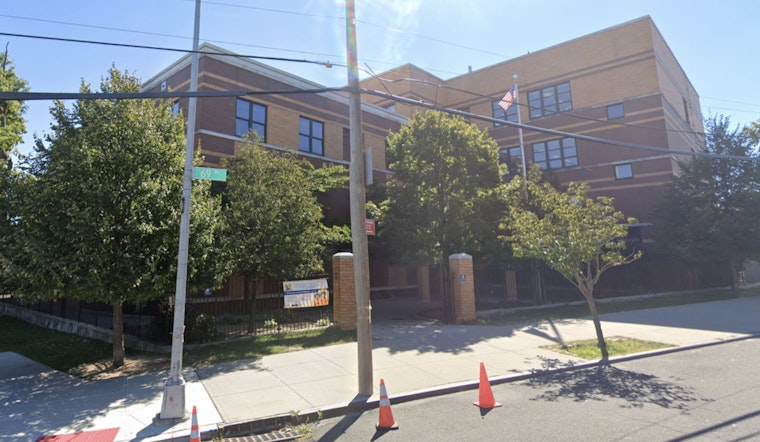
Parents and civic leaders in Middle Village turned out this week to slam plans for a lithium-ion battery storage facility on a vacant lot directly across from PS/IS 128. Many neighbors said they only found out about the project after permits and outreach were already underway, and they argue the location is far too close to a daycare, preschool and an animal hospital. NineDot Energy, the developer, counters that the installation meets strict city safety rules and would help keep the lights on when demand spikes or the grid falters.
Local leaders press for a new site
Council Member Phil Wong, City Council Speaker Julie Menin and other elected officials joined parents at a recent rally, then signed a joint statement calling the battery facility “the wrong fit” for a neighborhood centered on schools and childcare. They urged NineDot to move the project to a true industrial area and demanded more transparent public meetings and briefings for residents, rather than after-the-fact updates. The rally and statement were first detailed by QNS.
Neighbors say they were left in the dark
Residents say plans for the facility at 64-30 69th Place advanced with barely a heads-up to the people living around it. That frustration boiled over into a small but loud protest on Feb. 26 outside the lot facing PS/IS 128. Organizers and parents told reporters they want straightforward emergency plans, independent safety data and an in-person public forum instead of scattered notices and one-off conversations. As reported by the New York Post, neighbors repeatedly pointed to the site’s proximity to a daycare, preschool and animal hospital as the core of their objection.
Developer says layers of safeguards exist
NineDot Energy, which already runs several community battery projects in the region, says its systems are built with multiple layers of protection, including FDNY and Department of Buildings testing, UL certification, fire-suppression equipment and round-the-clock monitoring. The company also points to a recently completed $431 million financing package to build 28 battery projects across New York City, a deal it says signals that large financial backers have vetted the technology and risk. That financing was detailed in a company release on Business Wire, while the company’s safety specifications and approach to community engagement are laid out in its own materials on NineDot Energy.
How the project fits a bigger state push
Developers and state officials say neighborhood-scale battery storage is central to meeting New York’s Climate Act goals and to cutting back on dirty, fossil-fueled peaker plants as the grid leans more on wind and solar. The Public Service Commission has approved an energy storage roadmap and implementation plan that runs through 2030 and is intended to expand retail, residential and bulk storage programs across the state. Those roadmap goals and implementation steps are summarized by NYSERDA.
Legal and permitting questions remain
Lawmakers are already weighing new limits in response to local backlash. State Sen. Joseph Addabbo has floated legislation that would require larger setbacks between significant battery energy storage system projects and nearby homes or schools. Supporters say that would head off risky siting, while critics argue it could make most city sites impossible to use. On the city side, permits run through several agencies, including the FDNY, Department of Buildings and Con Edison. The DOB has recently suggested tougher requirements for testing, independent peer review and commissioning of BESS installations. Those permitting details and potential rule changes are outlined in a technical summary from Jensen Hughes.
What’s next for the Middle Village site
Elected officials say they will keep pushing to move the project and to secure a full public forum so neighbors can question both regulators and NineDot directly. The company says it is in active talks with local representatives and intends to follow the city’s review process step by step. Whether the Middle Village facility is ultimately built at 64-30 69th Place or shifted elsewhere will hinge on city permitting decisions, any new state or local laws that tighten siting rules and how the next rounds of community engagement play out, all of which are described in recent materials on NineDot’s website.




