

























































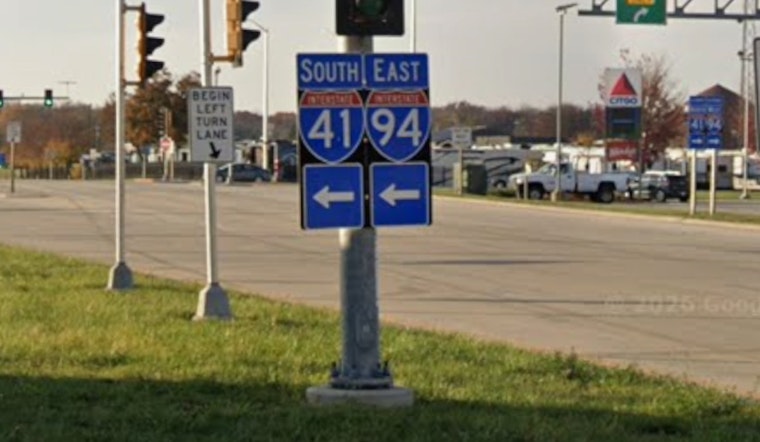
On Saturday, at 7:46 a.m., a Wisconsin State Patrol trooper stopped an Illinois driver on I-41/94 near State Highway 20 for not wearing a seat belt. The driver was arrested for a suspected eighth OWI and cited for possession of open intoxicants in a vehicle and other violations.
According to FOX6 News Milwaukee, the vehicle was headed southbound on I-41/94 near State Highway 20 when the trooper spotted the unbelted driver at about 7:46 a.m. During the traffic stop, the trooper reported indicators of impairment and issued citations for failure to fasten a seat belt and possession of open intoxicants in a motor vehicle. FOX6 reports those details came from a Wisconsin State Patrol news release.
What an eighth OWI can mean
Wisconsin does not treat repeat OWI like a slap-on-the-wrist traffic ticket. Under the state’s penalty structure, seventh, eighth and ninth OWI offenses are felonies with mandatory minimum confinement that far exceed first-offense penalties. Recent court decisions and legislative changes have underscored that repeat offenders can face years behind bars if prosecutors successfully prove the prior convictions that elevate the case, as outlined in a Wisconsin Court of Appeals decision available on Justia.
Troopers stepping up enforcement on I-41/94
This latest arrest fits a pattern regular drivers on I-41/94 might have already sensed. The stop is one of several recent trooper-led enforcement actions along the Racine County stretch of the interstate and nearby jurisdictions. Local outlets have reported multiple OWI arrests and other traffic incidents in recent weeks, suggesting that the Wisconsin State Patrol has been running especially tight coverage on the corridor. For an earlier example, see reporting by TMJ4.
What happens next
The Wisconsin State Patrol news release supplied the initial public details in the case, according to FOX6 News Milwaukee. The case will be referred to the Racine County District Attorney’s office for review. If prosecutors choose to pursue a felony OWI charge, they will need to prove the defendant’s prior convictions in court to support the enhanced penalty level.
For now, the arrested driver is presumed innocent unless and until formal charges are filed and proven beyond a reasonable doubt in court.





