

























































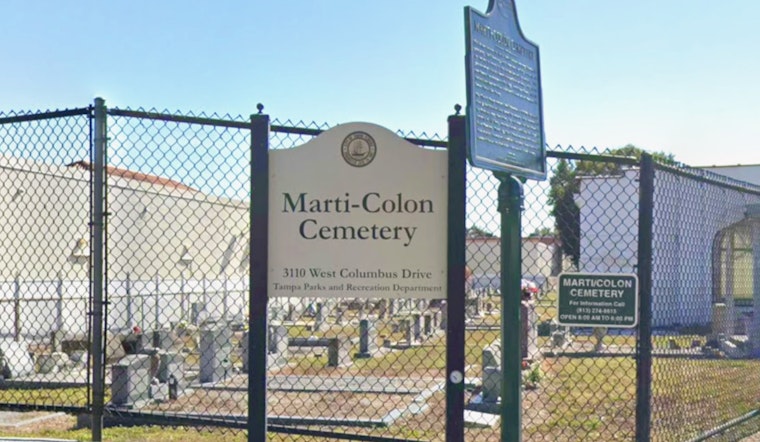
In a quiet pocket of West Tampa, a vacant lot next to historic Marti-Colon Cemetery has suddenly become the neighborhood's most haunted question mark. A fresh ground-penetrating radar report is fueling long-held fears that unmarked graves may lie beneath the grass, even as utility trenching for new homes is scheduled to kick off March 1. Neighbors and preservation advocates say the clock is ticking to stop the project before shovels hit anything that should never be disturbed.
A newly obtained report shows 16 anomalies scattered across the roughly one-acre parcel at 3203 W. Saint John Street, according to 10 Tampa Bay. The scans were completed in March 2024, and the report is careful to note that radar data by itself cannot say exactly what those blips represent.
Neighbors are not reassured. They point to an earlier survey, commissioned by a Jewish congregation that briefly considered buying the lot, which flagged more than 75 anomalies and ultimately led the group to walk away from the deal, FOX 13 reported. Around the same time, city records show a zoning manager signed off on splitting the parcel late last year, a bureaucratic step critics say quietly cleared a path for development.
How confident can radar be?
Ground-penetrating radar is a solid first step when you are trying to see the unseen underground, but experts are quick to stress its limits. It is good at spotting disturbances in the soil, not so good at declaring what those disturbances are.
State archaeology guidance spells it out: GPR surveys rarely prove the presence of human remains on their own. The North Carolina Office of State Archaeology notes that geophysical anomalies almost always require targeted, non-destructive "ground-truthing" such as coring or carefully placed test pits to know what is really down there. The North Carolina Office of State Archaeology explains those caveats and why interpretation depends heavily on soil type, moisture levels and the way the survey itself was conducted.
Neighbors push back
For people who have treated that strip of land as part of the cemetery for generations, the latest radar findings feel less like a mystery and more like confirmation of what they have been saying for years.
Activists with The Cemetery Society argue that the lot has long been understood as an extension of the burial grounds. The new report, they say, only sharpens the urgency to preserve it. "You see all of these red flags," founder Aileen Henderson told Bay News 9, citing earlier GPR results along with oral histories passed down by families in West Tampa.
City records, past purchases and protections
The City of Tampa already owns portions of the Marti-Colon complex after buying several parcels in May 2023, and planning documents show that officials have been working in recent years to build stronger cemetery protections into the city's comprehensive plan. City of Tampa materials detail the cemetery's history along with those recent acquisitions, all framed as part of an effort to safeguard historic burial sites.
What is next
Neighbors say they are preparing one more push to get City Hall's attention. They want leaders to either block construction outright or at least require a full archaeological study before any trenching or utilities work begins. Some residents planned to take their case directly to officials during public comment at a recent Tampa City Council meeting.
For now, utilities and trenching for the proposed homes are still slated to start March 1. The city has told local outlets that it has no records showing burials on the vacant parcel, according to FOX 13.
Legal and regulatory angle
Local advocates argue that Tampa already has the tools to hit pause if it chooses. They say the city could formally buy the land or rezone it as cemetery property to protect any uncertain burials, pointing to a 2022 effort that beefed up cemetery protections in the comprehensive plan.
City policy changes adopted in recent years created a framework for preservation, but advocates say the remaining parcels around Marti-Colon still sit in a gray area, and they want clearer legal safeguards to prevent any possible disturbance. The City of Tampa outlines those policy shifts and how they are supposed to work.
For now, the GPR results have given residents just enough evidence to keep the debate alive at council meetings and through public records requests. Experts, however, continue to warn that only careful ground-truthing can say for sure whether burials lie under the lot. Until that happens, neighbors argue the safest move is to halt trenching and bring in archaeological oversight so the city, and the families with loved ones nearby, have a clear answer about what is under their feet.



