

























































Charlotte’s new county transit board spent a tense meeting this week wrestling with how to carve up the one-cent transit sales tax voters narrowly approved in November, a revenue stream that kicks in on July 1, 2026. The big question on the table: go all-in on splashy rail projects that take years to build, or plow early money into buses, shelters and on-demand service that riders will notice much sooner. The Metropolitan Public Transportation Authority zeroed in on the Red Line commuter rail, potential Silver Line and Gold Line work, and a major push to speed up bus frequencies across Mecklenburg County, all while a recent federal safety audit loomed over the conversation and demanded concrete fixes before service grows.
Plan Splits the Money, Promises Quicker Bus Fixes First
The framework under review would divide new tax revenue among roads, rail and buses, with the early years tilted heavily toward boosting bus frequency and microtransit, according to Meck Connect. The Meck Connect site and the adopted 2055 Transit System Plan outline early wins that include a 50 percent increase in transit service and the creation of 18 microtransit zones, all contingent on the local funding arriving as planned.
Buses, Shelters and Microtransit Aimed at Fast Visible Upgrades
Local presentations reviewed by the panel described a full-court press on bus comforts and coverage: over the next decade, county materials call for roughly 2,000 new or upgraded shelters and waiting pads, along with a significant expansion of on-demand microtransit. According to the Town of Pineville, planners also want to upgrade 15 high-ridership routes to 15-minute service. The same materials indicate CATS would add about 89 buses to its fleet in the near term, a move officials say would free older vehicles and help crank up frequency on key corridors.
Red Line Still the Big-Ticket Transit Prize
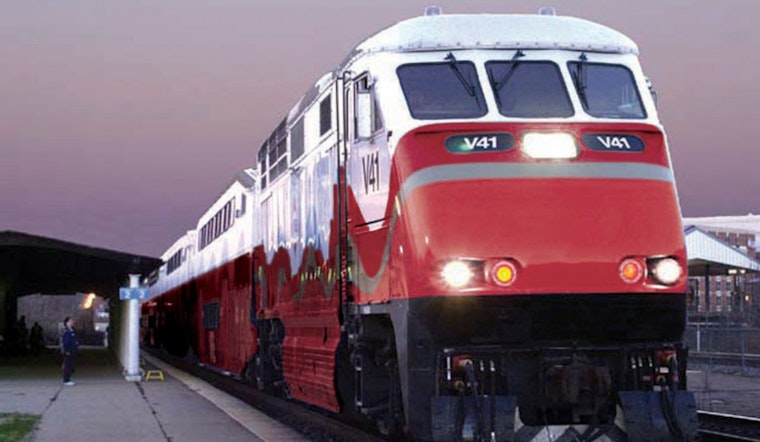
Even with the renewed focus on buses, rail is not exactly taking a back seat. The Red Line, a 25-mile commuter rail proposed from Uptown toward the Lake Norman area with about 10 stations, remains the centerpiece of the rail program and would take years to deliver, according to CATS. Updated estimates in local coverage peg the Red Line’s capital cost at roughly $1.3–$1.4 billion and suggest construction could stretch close to a decade, per Axios Charlotte.
Federal Safety Audit Turns Up the Pressure
A Federal Transit Administration audit released in February flagged more than a dozen areas where CATS fell short of federal safety requirements and gave the agency a tight deadline to spell out how it would fix them, a reality board members referenced repeatedly. The audit followed last summer’s high-profile killing on the Blue Line and warned the authority to improve how it evaluates assaults, tracks training and monitors mitigation efforts or risk further federal oversight. WBTV reports that the FTA listed 18 findings and gave CATS 30 days to submit a corrective plan.
State Law Puts the Silver Line Under the Microscope
On top of the audit, state lawmakers strapped conditions onto the new money. The PAVE Act requires the Metropolitan Public Transportation Authority to complete a value-engineering study of the Silver Line East, defined in the statute as service from the center of Charlotte through Matthews to CPCC’s Levine Campus, and to lay out funding options by a June 30 deadline. The law also spells out what revenue sources that study must consider, from parking taxes and municipal service districts to naming rights and public-private partnerships, according to the text of the PAVE Act (SL 2025-39).
CATS Boss Vows Detailed Response
Interim CATS CEO Brent Cagle told the board he plans to lay out specific steps and timelines to address the federal audit’s findings even as the authority advances the broader 2055 plan. Cagle said CATS will explain what it is doing to correct or remedy each issue identified in the audit and provide clear timelines, according to Queen City News.
Politics, Price Tag and Promised Payoffs
The transit plan arrives on the heels of a bruising political fight. The county referendum approving the one-cent hike passed with roughly 52 percent of the vote in November, and opponents argued that the tax would be regressive, according to Spectrum News. Supporters counter that the roughly $19.4 billion expected over 30 years will be split among roads, rail and buses to improve congestion, safety and access across Mecklenburg County, a breakdown also detailed by Axios.
What Happens Next
The Metropolitan Public Transportation Authority now has to turn its menu of scenarios into a fiscally constrained capital program, finish the PAVE Act’s Silver Line study and map out a timeline that delivers early bus improvements while keeping longer-lead rail projects moving through design. County materials and CATS’ post-referendum notice state that local revenue is expected to start flowing on July 1, 2026, and that municipal roadway distributions and authority allocations will follow the schedule laid out in state law, per Meck Connect.




