

























































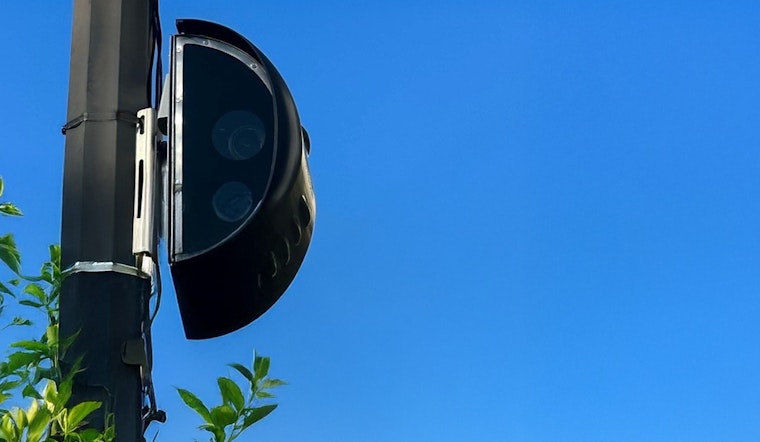
Redmond is rolling out a speed safety camera pilot that will plant automated cameras in three school zones, aiming to crack down on speeding and cut down on collisions near campuses. The effort is part of the city's broader Safer Streets push, which follows local traffic surveys that found a notable number of drivers blowing past posted limits near schools.
In a post on X, Redmond Police said the pilot "will launch with the principal goal of improving community safety by reducing speeding and potential collisions in areas where it matters most, like school zones." The post links to the city's program page for more information on where the cameras will go and when they will switch on.
This year, our Speed Safety Camera Pilot Program will launch with the principal goal of improving community safety by reducing speeding and potential collisions in areas where it matters most, like school zones. https://x.com/i/status/2019169316797620237
— Redmond Police (@RedmondWaPD) February 4, 2026
Where cameras will be placed and how they'll work
According to the City of Redmond, cameras will be installed at Redmond High, Redmond Middle and Rose Hill Middle as part of a pilot launching in 2026. The city says the devices will enforce the 20 mph school-zone limit during set hours, with violations triggered only when a driver is going at least 6 mph over the posted speed. Fines will range from $110 to $290.
The program details also spell out a 45-day courtesy period at the start, when drivers caught speeding will receive warnings instead of citations. The city notes that the vendor will be paid a fixed administrative fee rather than being compensated per ticket.
What the research shows
The Federal Highway Administration classifies speed safety cameras as a Proven Safety Countermeasure and cites studies that show crash reductions of up to 54% at the sites where they are used, according to the FHWA. Federal guidance and reviews from the NHTSA say automated enforcement tends to work best when it comes with clear signs, outreach to the community and follow-up evaluation of how the program is performing.
Law, privacy and revenue rules
State law sets boundaries on how photo-enforcement programs can operate and how any resulting revenue can be spent. Jurisdictions must structure vendor payments around equipment and services rather than the number of tickets issued, and program proceeds have to be directed to traffic-safety projects, as explained by MRSC.
The statutory framework in RCW 46.63.220 also limits how long images can be retained, requires notice and reporting, and specifies that photo-enforced infractions do not appear on a driver's record. State bill documents describe these and related provisions in more detail.
Local debate and next steps
City Council records show the proposal drew public comment and debate at earlier meetings, with council discussion touching on issues such as equity and vendor selection, according to the council docket and reporting. Local coverage has also documented mixed reactions from residents and community groups as the city worked through its analysis and permitting steps.
What drivers should expect
Once the cameras go live, Redmond says signs will clearly mark the enforcement zones and the 45-day warning period will begin. After that courtesy window closes, citations will be mailed to registered vehicle owners when violations occur, according to the City of Redmond.
City officials say revenue from the program will be put toward crosswalk upgrades, signage and other local street-safety projects, and that quarterly updates will be posted online so residents can track how the pilot is performing.




