

























































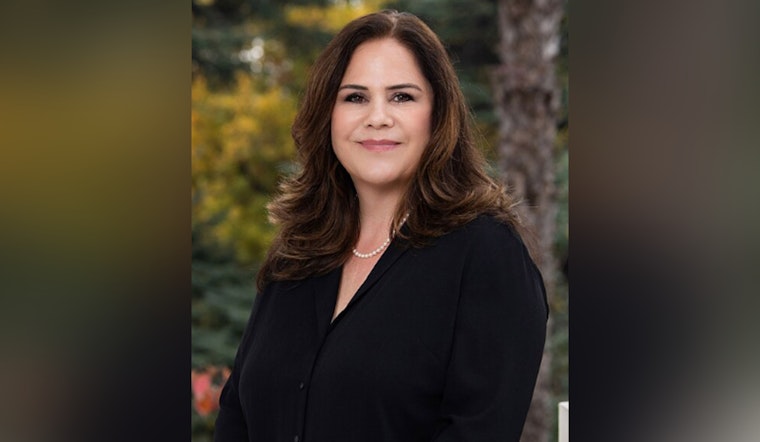
A new California bill, the Make It FAIR Act, would require the California FAIR Plan — the state’s insurer of last resort — to offer full homeowners insurance rather than mainly fire-only coverage. Assemblymember Lisa Calderon introduced it with support from Insurance Commissioner Ricardo Lara after major Southern California wildfires revealed issues such as slow claims, denials, and disputes over who should cover wildfire losses. The measure has drawn strong debate because it would expand the FAIR Plan’s responsibilities and financial risk.
What's in the Make It FAIR Act
AB 1680 would require the FAIR Plan to offer a much broader homeowners option that includes water damage, liability and other standard protections typically found in a regular policy, according to Insurance Journal. The bill also layers on new oversight tools: an annual public report, formal capital and liquidity planning and more claims staff to keep up with the plan’s surging customer base. Supporters say those changes are aimed at getting wildfire survivors clearer answers and faster checks when their homes are on the line.
Why now: wildfires and watchdog findings
The California Department of Insurance has been pushing for an overhaul after a market examination and a wave of consumer complaints tied to the Palisades and Eaton fires, and the agency says it has already taken formal legal action over what it calls unlawful smoke-damage denials. Commissioner Lara has ordered assessments, pressed for quicker claim payments and insisted that the FAIR Plan must be able to pay claims “just like any other insurance company,” according to the California Department of Insurance.
How big is the FAIR Plan now?
The FAIR Plan’s footprint has ballooned as private insurers pull back from fire-prone areas. An Assembly slide deck and reporting indicate the plan held roughly 668,600 policies in December, more than double its total from mid-2022. State and FAIR Plan figures show it handled about 5,400 claims from last year’s Los Angeles-area fires and has paid roughly $3.5 billion to policyholders so far. The plan is also asking regulators to approve an average rate hike of about 35.8% as it argues it needs more premium to cover its growing exposure, according to The Sacramento Bee.
FAIR Plan pushback and industry concerns
The FAIR Plan itself is not exactly cheering the makeover. President Victoria Roach warned lawmakers that expanding beyond fire-only policies would be “a huge undertaking,” requiring new systems, vendors and a major boost in budget, she told legislators at a committee hearing. Industry groups, for their part, argue that forcing broader coverage onto a vehicle designed as a last resort could destabilize its finances and ultimately push more costs back onto the wider market. Some critics have branded the proposal “a lose-lose for Californians,” as reported by the San Francisco Chronicle.
What comes next in Sacramento
AB 1680 now heads into the Capitol’s committee gauntlet, where policy arguments and actuarial charts will collide. Calderon, who chairs the Assembly Insurance Committee, will be in charge of shepherding the measure, which is formally sponsored by Commissioner Lara. Backers say the bill uses the Legislature’s authority to impose structural reforms the FAIR Plan has resisted in court, while opponents warn of financial ripple effects that could surface years down the road. Lawmakers will have to decide whether supercharging the FAIR Plan is really the quickest and safest way to protect wildfire survivors, according to the California Department of Insurance.




.jpg)