

























































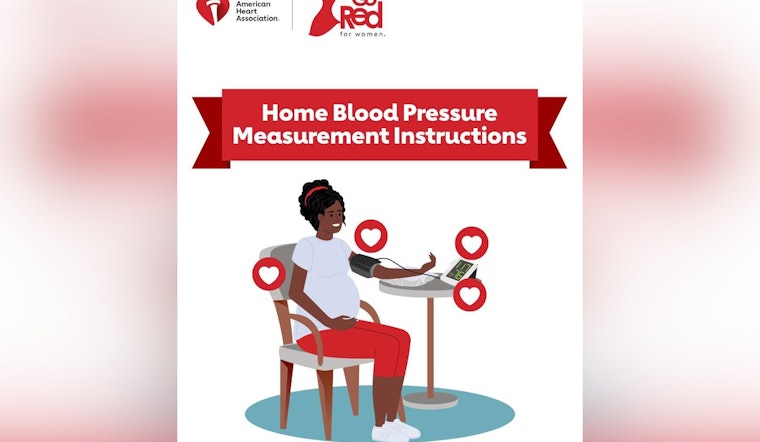
In the spirit of American Heart Month, a timely reminder has been issued by the Saint Louis County Department of Public Health for those who may be at elevated risks, such as pregnant individuals and those with heart disease. The department's straightforward yet crucial message focuses on the importance of accurate home monitoring of blood pressure, a vital marker of cardiovascular health. Via a recent social media post, the Saint Louis County Department of Public Health breaks down the necessary steps to ensure precise readings.
Per the guidelines shared by the department, those preparing for blood pressure measurement should avoid smoking, caffeine, alcohol, and exercise for at least 30 minutes prior. Additionally, a period of rest and the emptying of the bladder can set the stage for consistent results. As simple as these steps may seem, they lay the groundwork that, if overlooked, could skew the measurements obtained.
Positioning plays a pivotal role in this at-home health task. The Saint Louis County Department of Public Health advises sitting in a supportive chair, planting feet squarely on the ground, and maintaining an uncrossed leg position with an arm resting at heart level on a flat surface. Such a posture aligns with what might be considered a neutral position, aiming to avoid any added strain or irregularity to one's circulatory system while measuring.
It's worth underscoring, the proper placement of the blood pressure cuff is above the elbow's bend and it should be in direct contact with the skin, not over clothing. The Saint Louis County Department of Public Health underscores the paramount role of a validated cuff device in this process. Moreover, a period of silence during measurement is essential – including refraining from chatting, this can be a common pitfall in self-monitoring.
Finally, the guidance recommends multiple readings, spaced a minute apart, to verify the accuracy of the results. Documenting these numbers and sharing them with a healthcare provider aids in creating a comprehensive view of one's cardiovascular state. As part of the #AmericanHeartMonth campaign, this information serves as a practical and valuable tool for individuals who stand to benefit from close monitoring – contributing to long-term heart health and disease management.



