

























































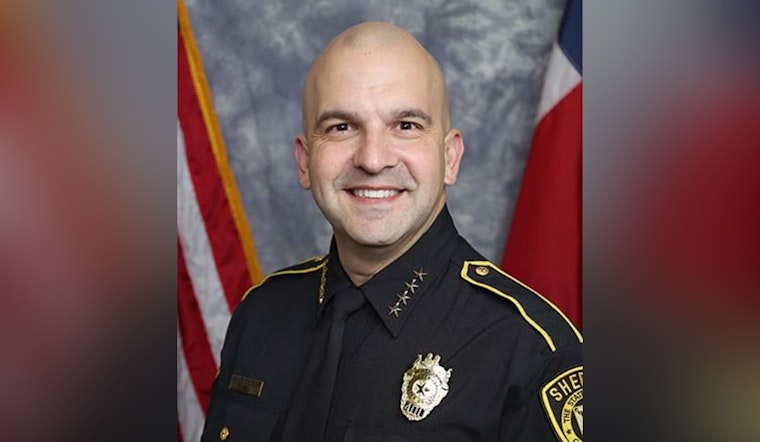
Bexar County Sheriff Javier Salazar is putting San Antonio on alert after a sharp rise in "jury duty" phone scams that stripped two local women of nearly $47,500 combined. The con artists leaned on spoofed sheriff's office numbers, fake but convincing court paperwork and a maze of Bitcoin teller machines to squeeze money out of rattled victims.
On Jan. 28, a 64-year-old woman was kept on the phone for hours and directed from one Bitcoin teller machine to another before losing $25,000, authorities say, as reported by San Antonio Express-News. The callers spoofed the BCSO non-emergency number, told her she had skipped jury duty, claimed she was under a gag order and sent what looked like official arrest warrants to pressure her into paying up.
Roughly two weeks later, a 48-year-old woman endured an eight-hour ordeal that involved traveling between locations and making multiple transactions before she was out $22,500. One scammer sent her a QR code and even arranged a Zoom call with a man posing as a judge, and deputies eventually used the GPS in her vehicle to track her to the 800 block of Bitters Road, according to KSAT.
How the scams worked
The pitch was crafted to scare people into handing over cash before they had time to think. Scammers used real staff names, spoofed caller ID that showed sheriff's office numbers and documents that looked like the real deal. The sheriff's office has repeatedly stressed that it "does not take payment by phone" and will never tell anyone to buy gift cards or use cryptocurrency to clear a fine, according to Bexar County's reporting page. Investigators say that mix of urgency, official-sounding jargon and polished paperwork is exactly what makes the scheme so effective.
What authorities are doing
Salazar said he has asked City Hall to look at an ordinance that would require Bitcoin-machine operators to post clear warning signs, and his office has even drafted a sample sign to speed things along. The sheriff's office is also ramping up outreach with social media posts and QR-code bumper stickers on patrol cars that link residents to educational videos, per KSAT.
How to protect yourself
Officials urge simple steps: hang up on unsolicited calls that demand money, verify any supposed legal problem by directly calling law enforcement and never convert cash to cryptocurrency or buy gift cards because a caller told you to. For non-emergencies, residents can contact the sheriff's dispatch at 210-335-6000 to check a claim and report suspicious calls, and the county's reporting page reiterates that law enforcement will not demand payment over the phone. If you think you have been targeted, save all transaction receipts and contact the sheriff's office so investigators have a shot at tracing the funds.
Legal implications
Salazar's push for a local ordinance is a stopgap that aims to slow fraud at the point of sale, but investigators say the larger problem often stretches far beyond city or county limits. Scammers are believed to operate across state lines and even from inside prisons, and authorities are working with federal partners to trace calls and try to recover stolen money, as reported by San Antonio Express-News. That combination of local warning labels and broader interagency cooperation will be put to the test if these fraud networks keep adapting.





