

























































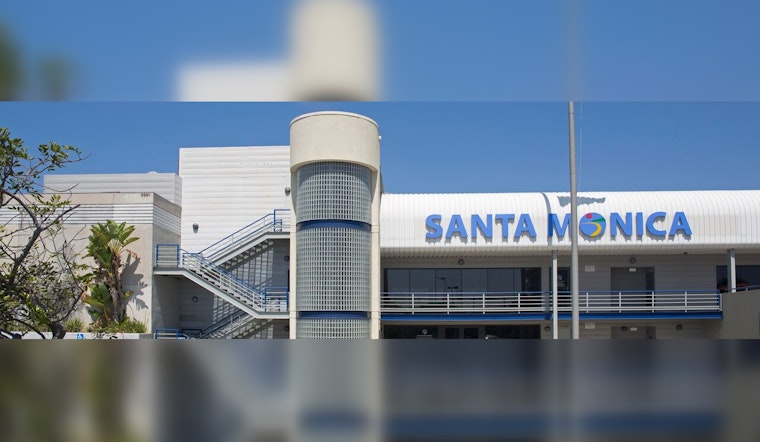
Santa Monica is throwing its political weight behind a state bill that could let transit-rich coastal cities skip case-by-case review by the California Coastal Commission for certain housing and street projects. Introduced by Assemblymember Rick Chavez Zbur on Feb. 5, 2026, AB 1740 would let qualifying cities self-designate as "urban multimodal communities" and approve a range of projects - from mixed-income multifamily housing to bike lanes, parking changes and outdoor dining - without individual coastal development permits, as long as they meet specific criteria. Supporters see a way to speed up housing and climate-friendly street improvements, while critics warn the move could shrink statewide oversight of sensitive coastal areas.
What AB 1740 Would Do
According to California Legislative Information, a city could call itself an urban multimodal community if it shows it has at least one high-quality transit corridor or transit priority area with stops in the coastal access zone, adopted greenhouse-gas and road-safety targets, and existing Class I, II or IV bicycle facilities. Cities would send documentation to the Office of Land Use and Climate Innovation, which would get 30 days to check whether the application is complete. If the office does not respond within that window, the designation would be automatically deemed approved.
Local Backers
Santa Monica is listed as the bill’s sponsor, with groups including Streets For All and Abundant Housing LA named as co-sponsors, as reported by Santa Monica Daily Press. Mayor Caroline Torosis told the paper the measure will let transit-rich cities "move faster on housing, transportation and public space" while keeping the Coastal Commission focused on truly sensitive coastal resources. Street-safety advocates quoted in the piece say the bill would clear what they see as unnecessary red tape around bike lanes, bus lanes and other multimodal projects that they argue pose little risk to coastal resources.
Which Projects Would Be Exempt
The legislation spells out which operational changes and minor improvements in designated urban multimodal areas would no longer need coastal development permits. The list includes changes to parking regulations, accessible walkways, signage, pay stations, EV chargers, and interior or exterior renovations that do not expand building footprints by more than 150%, along with a broad category of multimodal right-of-way work such as new bike lanes and bus lanes, according to California Legislative Information.
Mixed-income multifamily housing could also qualify for the exemption, but only if projects are located in locally designated multifamily areas and kept out of the most sensitive zones: areas between the sea and the first public road, and locations within 300 feet of beaches, wetlands, or environmentally sensitive habitat areas. The bill sets affordability thresholds at 7% of units for extremely low-income households, 10% for very-low-income, or 13% for lower-income households, with recorded deed restrictions that would last 55 years for rentals and 45 years for ownership units.
Coastal Context And Concerns
The California Coastal Commission, created under the Coastal Act and responsible for regulating roughly 1,100 miles of shoreline, typically requires coastal development permits for projects that could affect public access or coastal resources. AB 1740 would narrow that permit requirement in more urbanized, transit-oriented parts of the coast, according to Santa Monica Daily Press. Backers argue the shift would help cities deliver housing and climate-friendly street changes faster, while the bill keeps the commission’s authority intact for projects that could harm sensitive coastal resources.
How the new designation process works in practice, and how strictly the 30-day completeness rule is applied, will likely determine whether the proposal truly cuts red tape or simply moves future fights to the courts and the state’s rulemaking arena.
What’s Next
AB 1740 is still at the starting line after its February introduction. The measure is expected to be taken up in policy committee later this legislative session, and cities that secure an urban multimodal community designation would have to recertify every three years, according to LegiScan. Lawmakers, local officials and advocacy groups will now decide whether the bill strikes the right balance between speeding up housing and mobility projects and preserving statewide protections for beaches, wetlands and habitat.





