

























































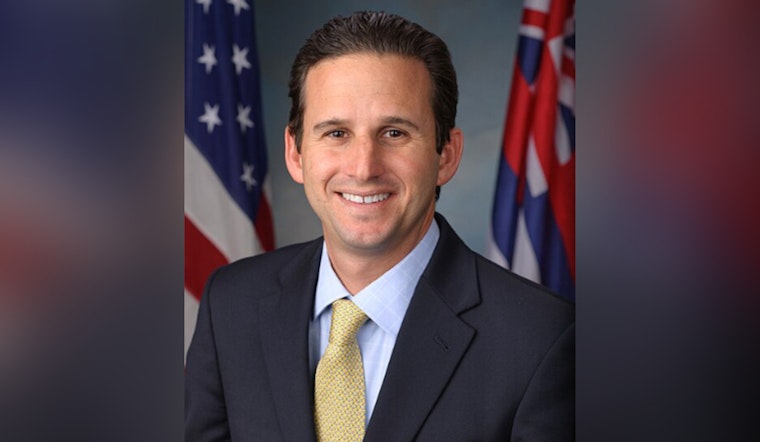
On Tuesday, Sen. Brian Schatz of Hawai‘i introduced legislation proposing a 4.1% average pay raise for federal workers in 2027, combining a 3.1% across-the-board increase with a 1% boost to locality pay. Supporters say the plan aims to close the pay gap with the private sector and help federal agencies retain talent.
What the bill would do
The Federal Adjustment of Income Rates Act would lock in a statutory 3.1% base pay adjustment for 2027 and layer on an additional 1% for locality pay, for a total 4.1% average raise, according to the bill text posted by Sen. Brian Schatz’s office. The legislation also lists multiple cosponsors in the Senate, including Schatz’s fellow Hawai‘i Democrat, Sen. Mazie Hirono, signaling that at least a small bloc is prepared to push on federal pay ahead of the next budget cycle. Local reporting also confirmed the filing and that the bill was rolled out Tuesday, per Maui Now.
Union reaction
Labor groups quickly lined up behind the proposal, framing it as a catch-up move rather than a windfall. Everett Kelley, national president of the American Federation of Government Employees, told Maui Now that the existing pay gap makes it tough to lure and keep committed public servants, adding that “fair pay isn't just good for federal workers.” For unions, the bill is another shot at nudging federal salaries closer to what similarly skilled workers earn outside government.
Why lawmakers are pushing it
Schatz and his allies are leaning on federal data that show Uncle Sam is falling behind as an employer. The Federal Salary Council found that, on average, federal workers trailed comparable private-sector employees by roughly 27.5% in 2023, according to Government Executive. Supporters of the FAIR Act point to that gap when arguing that annual raises have not kept pace and that recent pay adjustments, while helpful, have varied widely by locality and have not erased years of lagging increases.
What it means locally
Roughly 2.3 million federal civilian employees fall under the main pay system, and about 60% of them received locality pay in fiscal 2023, according to a GAO report. That means the extra 1% locality bump would land hardest in high-cost regions such as San Francisco, where agencies routinely compete with private firms for workers. Advocates acknowledge the locality increase is modest, but argue that even incremental boosts can help agencies in expensive labor markets recruit new hires and keep experienced staff from jumping ship.
What’s next
The FAIR Act still has to move through committee and win approval in both chambers before any of the numbers show up in a paycheck. Sponsors say they introduced the bill in part to plant a flag in the annual fight over federal pay levels and to put pressure on appropriators, according to Sen. Brian Schatz’s office. Whether Congress embraces the FAIR Act or the White House charts its own course through the President’s Pay Agent, the new proposal ensures that what federal workers earn will be back at the center of the 2027 planning debate.





