

























































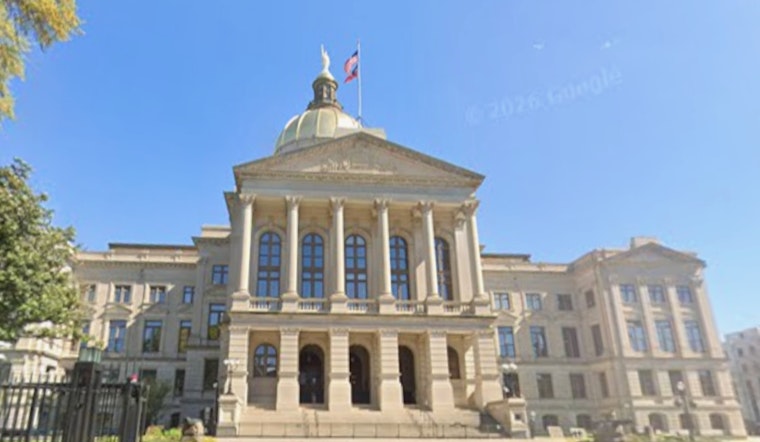
Georgia lawmakers are teeing up a high-stakes fight over what kind of political speech teenagers can bring to school, after several high school students were disciplined for activism this year. Three competing bills are now in play, and they split sharply over how much power principals should have to limit student expression and how much the state should step in to protect it. One proposal is being framed as a tribute to the late conservative activist Charlie Kirk.
On Feb. 23, Lt. Gov. Burt Jones said he would make the "True Patriotism and Universal Student Access Act" a top priority for the 2026 session. The bill, sponsored by Sen. Ben Watson (R-Savannah), is pitched as a guarantee that students can form partisan and nonpartisan political groups and share their views on campus. According to the lieutenant governor’s announcement, the measure would prohibit schools that operate limited open forums from discriminating against political clubs, would require equal access and advertising for partisan groups, and would allow political clothing under school dress codes. The proposal is framed as both a First Amendment measure and a nod to Charlie Kirk’s organizing, according to the Lt. Governor of Georgia.
A recent report from FOX 5 Atlanta ties this new wave of legislation to local incidents where high school administrators disciplined students for political activism. The station noted that three separate bills are now circulating, including a broad access bill and alternative proposals that would tighten rules on some kinds of political activity on campus, and it aired interviews with Watson and Sen. RaShaun Kemp (D-Atlanta) about how far they think schools should go.
Georgia has already weighed in on student free speech in higher education. In 2022, Gov. Brian Kemp signed HB 1, a law that protects speech on public college and university campuses and restricts the use of narrow "free speech zones." That law treats most outdoor areas on campus as public forums by default. The new K-12 proposals would move similar debates into elementary, middle, and high schools, which raises fresh questions about how districts would enforce new rules and keep policies consistent, according to the Governor Brian P. Kemp Office.
What the TPUSA Act Would Do
The lieutenant governor’s summary of the True Patriotism and Universal Student Access Act, often shortened in political discussion to the TPUSA Act, says it would require public schools to allow political activities before, during, and after school in the same way they allow nonpolitical student activities. Students would be able to organize partisan clubs during non-instructional time. Limited-forum policies could not exclude groups based on political or ideological content, and qualifying student groups would be entitled to the same access to facilities, announcements, and advertising channels that other clubs receive. The summary also points to a provision that would protect students’ ability to wear political clothing, according to the Lt. Governor of Georgia.
What Supporters and Critics Say
Supporters, including the lieutenant governor’s office and conservative student organizing groups, describe the bills as closing a loophole that allows school officials to shut down student political activity too easily. Opponents and some Democrats caution that sweeping protections for partisan activity in K-12 schools could invite more adult and outside-group involvement on campus and could make students less comfortable engaging in everyday organizing that is not tied to a party. Those dueling arguments, along with the disciplinary cases that sparked the legislation, were outlined in coverage of the proposals and the interviews with senators. FOX 5 Atlanta reported both the support and the skepticism.
Next Steps at the State Capitol
The measures are still in an early phase of the 2026 session, and sponsors are expected to refine bill language and seek committee assignments in the coming days and weeks. If hearings are scheduled, advocates on both sides say they plan to bring in parents, students, and district leaders as lawmakers consider possible amendments that could either narrow or expand the reach of the proposals.
For students who faced discipline this winter, and for school districts trying to write clear, consistent policies, the stakes are immediate. Legislators and education officials say that whichever bill, if any, survives the process is likely to set the tone for how political speech works in Georgia public schools for years to come.



