

























































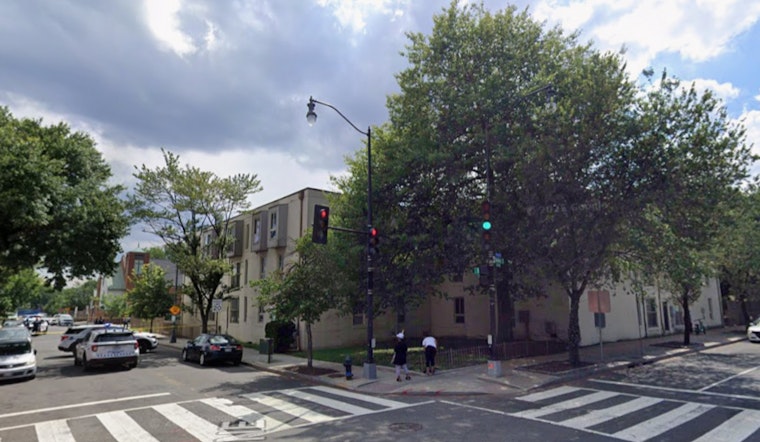
D.C. Attorney General Brian Schwalb has cut a deal with the owners and manager of two troubled Ward 7 apartment complexes, Benning Courts and Azeeze Bates, that locks them into repairs, regular pest control and city oversight through 2028. The settlements arrive after tenant complaints and city inspections flagged rodents, mold, water damage and unsecured doors, and are designed to speed up emergency fixes and force annual preventive maintenance for hundreds of residents east of the Anacostia River.
As reported by WJLA, the Office of the Attorney General opened an investigation into Azeeze Bates in October 2023 and into Benning Courts in August 2024, then negotiated settlements with the owners, Azeeze Bates Limited Partnership and Gales Place Associates Limited Partnership, and the management company, Horning Management Company LLC. Schwalb called the agreements a step toward better living conditions, while Horning president Jamie Weinbaum said the company worked collaboratively with OAG to reach a “practical, mutually acceptable resolution,” per the report.
What the Benning Courts agreement demands
Under the Benning Courts settlement, the owner must conduct annual preventive inspections of major building systems and schedule quarterly treatments by a District-licensed pest-control company. Tenants are promised a 24-hour monitored emergency phone line to report urgent problems. The agreement also requires the owner to inspect suspected mold within seven days and to use a D.C.-licensed mold assessor and remediator for any indoor mold contamination above 10 square feet, on a defined timeline for cleanup, according to the Benning Courts settlement. The document lets the District re-inspect units and compels the landlord to fix housing-code violations on a tighter schedule than before.
Azeeze Bates: rodent findings and required fixes
At Azeeze Bates, OAG and the Department of Health found evidence of rodents in at least 70 percent of the units they inspected, along with broken or insecure doors, water damage and missing or nonworking fire-safety equipment, according to the settlement. In response, the Azeeze Bates agreement mandates quarterly preventive pest treatments, guarantees tenants access to additional in-unit extermination services on request and spells out reinspection steps to confirm that infestations are actually gone, as laid out in the Azeeze Bates settlement. The document also notes that the owner submitted photographic proof of repairs in May 2024, which the District then checked through reinspections.
Inspections, enforcement and timeline
Both settlements require the owners and manager to allow OAG inspections and keep all terms in place through January 1, 2028. If they fall short, the District can take them to court. Landlords must fix emergency housing-code violations within 24 hours or provide tenants with alternative accommodations until the work is done. Those conditions give the District contractual tools to enforce upkeep and code compliance going forward, according to WJLA.
What residents should expect next
For residents on the ground, the settlements are supposed to translate into faster responses to emergencies, a formal maintenance-request portal and regular pest-control visits baked into how the properties are run, language that appears throughout the settlement documents. Tenant advocates who pushed for scrutiny now have a written roadmap to hold owners to their promises, while OAG keeps enforcement authority in reserve if conditions slip again. Tenants who still see problems can point directly to the settlement terms and to OAG inspection rights if violations keep turning up.





