

























































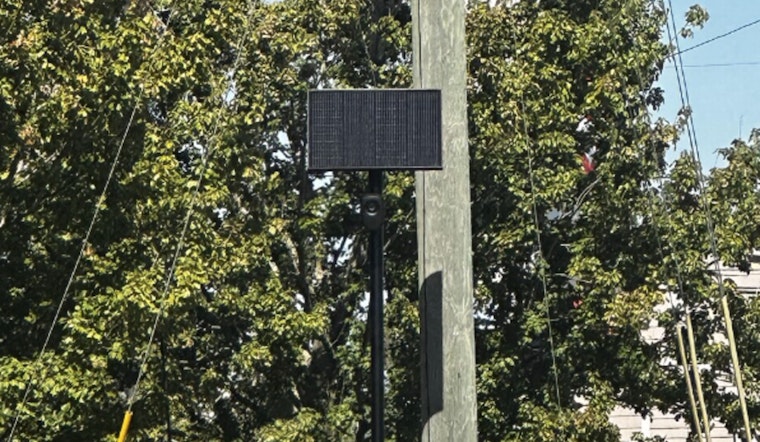
Seattle officials are trying to calm fears that federal immigration agents can quietly tap into the city’s license plate tracking systems. On Tuesday, the City Council’s public-safety chair, Councilmember Bob Kettle, said Immigration and Customs Enforcement cannot simply pull scans from Seattle’s police databases to look for people to detain. According to city officials, the Real-Time Crime Center and vehicle-mounted license-plate readers are governed by local rules and are used to solve crimes and speed up responses, not to support civil immigration enforcement. In situations that are not criminal, federal agencies would generally need a court order or subpoena to get automatic license plate reader records, city leaders say.
Chair’s clarification comes amid growing unease
As reported by KOMO, Kettle told the Council’s Public Safety Committee that ICE and other Department of Homeland Security units do not have direct access to Seattle Police Department ALPR data for immigration purposes. Any non-criminal requests, he said, would have to go through judicial channels. Kettle also noted that the city does not contract with the private vendor Flock Safety and emphasized that access to the system is tightly controlled.
How Seattle’s plate readers and crime center operate
The city’s license plate cameras are mounted on patrol cars and feed their scans into a Real-Time Crime Center where analysts can query plate reads in active investigations, according to city materials and local reporting. Axios reports that SPD officials have said plate scans are kept only for a limited time and that access is restricted to RTCC analysts and certain intelligence staff. When the Council approved the RTCC and the camera pilot, it added language intended to prevent cooperation with federal civil immigration enforcement, according to a Seattle City Council news release.
City points to cases where the system helped
Council materials and local reporting cited by KOMO include SPD figures on how the RTCC has been used. Between May 20 and Dec. 31, 2025, officials say the center assisted with roughly 2,580 cases and was linked to hundreds of arrests. According to those materials, analysts helped locate suspects in homicides, sex-trafficking and assault investigations. KOMO reports that the RTCC was associated with about 17 homicide cases over that period, including a notable June 2025 downtown killing where video analysis identified a person of interest. City leaders point to examples like these to argue the tools have sped up investigations and response times.
State-level rules and privacy fights are still unfolding
At the state Capitol, lawmakers have introduced bills this session that would tighten how ALPR systems can be used, who can access plate data and how long that information can be stored, according to reporting from the Washington Senate Democrats and municipal trade groups. The push for new limits has been fueled in part by a University of Washington Center for Human Rights report that found federal agents were still able to query Washington driver records through state systems last year. Privacy advocates say that shows how separate databases can be combined in ways that unsettle immigrant communities. That mix of local rules and statewide scrutiny is expected to shape whether additional limits or auditing requirements make it into law this year.
What Seattle has planned next
The Council required that the surveillance pilot be evaluated in 2026 and 2027 and has said academic partners and oversight bodies will study both effectiveness and privacy impacts, according to the Seattle City Council release. For now, Kettle and other public-safety officials say they plan to keep publishing audit information and enforcing access rules while city and state leaders debate tighter protections. The balance they describe is straightforward: keep investigative tools that have helped solve crimes, while layering on transparency and legal guardrails to protect civil liberties.



