

























































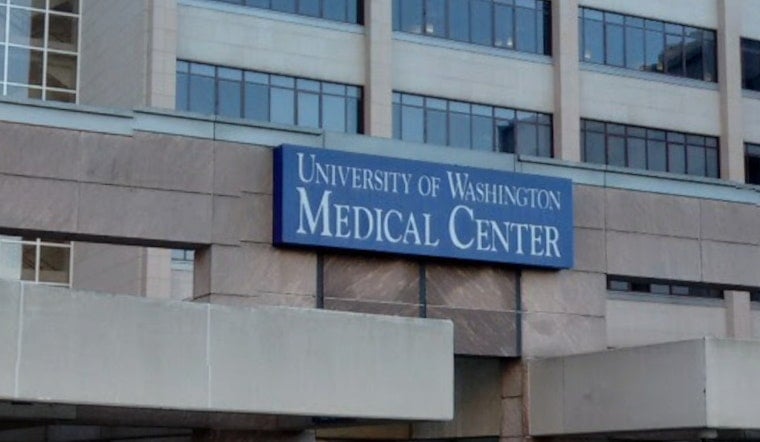
A University of Washington anesthesiology resident has been sentenced after federal authorities say he stole powerful narcotic pain medication while on duty and secretly swapped in saline for doses meant for patients, including children. Investigators say the alleged drug diversion endangered young patients and triggered a multi-agency review of controlled-substance handling at several Seattle hospitals. The DEA’s Seattle office announced on social media that the resident “was sentenced today.”
A @UWMedicine anesthesiology resident who stole narcotic pain medication and used it while on duty, replacing it with saline and putting young patients at risk, was sentenced today. #FentanylFree🇺🇸 Free @DEAHQ @WDWAnews >> https://t.co/ucYYnJ4bKO
— DEA Seattle (@DEASEATTLEDIV) Feb 3, 2026
Part of a National Fraud Crackdown
Federal prosecutors say the resident, identified in court filings as 35-year-old Andrew Voegel-Podadera, was charged in a criminal complaint tied to the Department of Justice’s 2025 National Health Care Fraud Takedown. According to the U.S. Attorney’s Office, he is accused of diverting fentanyl, hydromorphone, and other controlled substances for his own use while working at Seattle Children’s Hospital, the University of Washington Medical Center, and Harborview Medical Center; the resident is accused of drug diversion.
Suspicious Syringes in the OR
According to the complaint and local reporting, concerns first flared on December 27, 2024, when an attending physician at Seattle Children’s noticed Voegel-Podadera drawing up what appeared to be more fentanyl than necessary. Tests on “waste” syringes returned that day reportedly showed they contained only saline instead of the opioid.
Seattle Children’s and UW Medicine say that once concerns were raised, staff immediately pulled the resident from patient care and placed him on leave, as reported by FOX 13 Seattle and other local outlets.
Federal Case and a Sparse Sentencing Record
The case appears on the U.S. District Court for the Western District of Washington docket as CR25-141 KKE, with hearings set in early February. The DEA Seattle post on X said Dr. Voegel-Podadera “was sentenced today,” but as of publication, a formal judgment and detailed sentencing memorandum were not yet visible on the public docket or the U.S. Attorney’s website.
Basic case information and the docket can be found through the U.S. District Court, while the DEA Seattle post provides the initial public notice that sentencing occurred.
Hospitals Say They Moved Fast
UW Medicine told local reporters it placed Voegel-Podadera on leave as soon as diversion was identified and noted it has “a number of protections in place” to prevent drug diversion. Seattle Children’s said it promptly removed the resident from clinical duties and reported concerns to authorities. Those statements were provided to local media, including FOX 13 Seattle.
Federal Law and a Growing Regional Trend
The complaint charges conduct under 21 U.S.C. § 843(a)(3), a federal statute that bars obtaining controlled substances “by misrepresentation, fraud, forgery, deception, or subterfuge.” A first conviction under that section can carry up to four years in prison, with higher penalties possible for repeat offenders, according to the statute.
Regionally, this is not an isolated storyline. In January, prosecutors sentenced a Portland veterinarian to five years of supervised probation after she admitted replacing animal pain medications with saline. That case was covered by the Portland Tribune.
Prosecutors, the court and defense attorneys had not released additional publicly posted details about Voegel-Podadera’s sentence beyond the DEA social media post at the time this article was published. Any written judgment and supporting documents are expected to appear via the U.S. Attorney’s Office and the federal docket once filed, and we will report new information as those records become available.





