

























































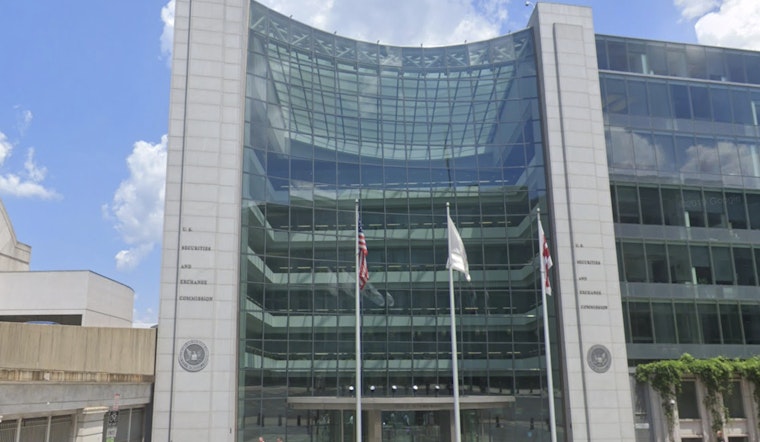
The Securities and Exchange Commission has rolled out a sweeping rewrite of its Enforcement Manual that slows the tempo of how cases move and gives investigation targets more room to make their case. The update, announced Tuesday, offers more time to respond to Wells notices, guarantees a sit-down with senior officials, and builds in a formal track for waiver requests during settlement talks. It is the agency’s first overhaul of the manual since 2017 and is intended to iron out differences in how regional offices handle enforcement. For companies and their lawyers, the message is that the Wells process should now be more transparent and more predictable.
In a press release posted by the SEC, the agency said the revised manual is designed to “ensure greater uniformity” in enforcement practice and will be reviewed each year. The new playbook generally gives Wells notice recipients four weeks to submit their responses, and it provides that those targets will typically get a meeting with senior Enforcement Division leadership within four weeks after they file. The release also highlights a refreshed cooperation framework and updated guidance on what makes Wells submissions most useful to staff and the full Commission.
According to Reuters, that four week window represents a change from the more common two week response period and now includes a process for considering a company’s request for a waiver that may be necessary for certain business operations while settlement is under discussion. Reuters, which first reported the policy shift, noted that industry lawyers say the new structure could influence how quickly cases ultimately get resolved.
What companies and lawyers will notice
Compliance teams and defense counsel have welcomed the extra breathing room, saying the additional time and clearer disclosure standards can blunt sudden enforcement moves and support more substantive, evidence heavy responses to allegations. Practical guidance from firms such as Foley Hoag has long encouraged early engagement, including focused “white papers,” to narrow legal and factual disputes before a formal Wells notice lands on a company’s desk.
Settlements, waivers and senior staff meetings
The manual now locks in a pathway for staff to consider settlement offers and related waiver requests at the same time, a change that could give companies a clearer view of the collateral fallout that might come with a deal. Commentators at firms like DLA Piper say tying waivers to settlement discussions may accelerate resolutions, while also increasing the incentive for targets to be candid and forthcoming with staff early in the process.
Legal implications
Another significant tweak involves how Wells submissions circulate inside the SEC. The updated practice clarifies that commissioners will receive Wells submissions in both settled and contested matters, which raises the odds that a respondent’s version of events reaches the full Commission. As Alston & Bird notes, that shift can influence bargaining dynamics because Commission level decision makers will have access to a more complete record before they authorize enforcement actions.
New York law firms and in house counsel along Wall Street will be watching closely to see whether regional offices stick to the new timelines, since consistent application across the country was one of the central goals of the rewrite. Compliance advisers, including those at Lowenstein Sandler, are urging clients to use the extra weeks to document remediation efforts, sharpen Wells submissions, and consider engaging staff early to narrow the issues that remain in dispute.





