

























































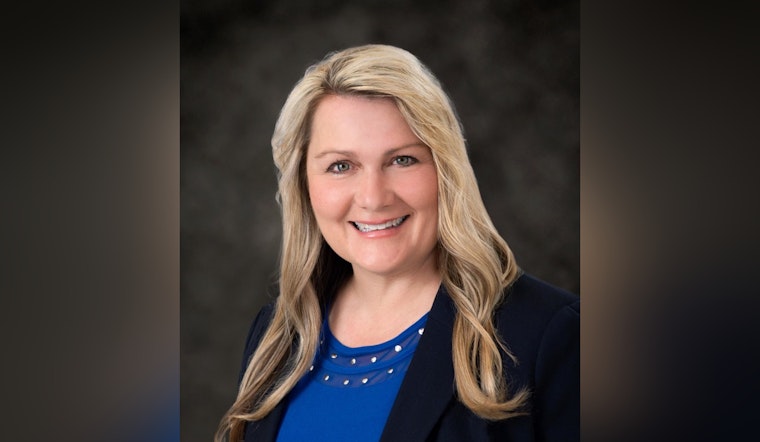
A felony case hanging over Henderson Councilwoman Carrie Cox is staying right where it is. A Clark County judge on Tuesday rejected an attempt to throw out an indictment accusing Cox of secretly recording a fellow councilmember during a City Hall exchange, keeping the criminal charge on track for trial. The dispute over whether that conversation was actually private will now head toward a jury, while Cox, who has pleaded not guilty, remains on the council as the case plays out.
Judge's ruling keeps the case alive
According to KSNV, Judge Nadia Krall on Tuesday denied Cox's petition for a writ of habeas corpus and ruled that the question of whether the conversation was private should be decided by a jury. Krall told the court that "it's going to be a jury of the defendant's peers," putting the factual dispute in front of jurors instead of resolving it herself. The decision leaves intact a grand jury charge alleging that Cox monitored a private conversation at a City Hall event.
How the indictment began
As outlined by the Las Vegas Review-Journal, a Clark County grand jury voted in November to indict Cox after Councilwoman Monica Larson reported she had been recorded while speaking with two men, Michael Hiltz and Richard Smith, at a City Hall event. Earlier coverage summarized the indictment and the months-long Metro investigation that preceded it. The indictment led the City Council to censure Cox and remove her from regional board assignments.
Defense: recording happened in public, not private
Cox's attorney has argued in court and in filings that the exchange took place during a public event, that background noise and other voices make the audio hard to distinguish, and that prosecutors have not shown she "knowingly and willfully" violated the statute, according to KSNV. The defense also contends that the grand jury did not hear evidence that might have exonerated Cox and has characterized the charge as politically motivated. Prosecutors responded that Cox hid behind a curtain while recording, which they argue supports a reasonable expectation of privacy for the speakers.
Legal framework and penalties
Nevada law prohibits surreptitious monitoring of private conversations and treats willful violations as felonies. The Nevada Revised Statutes bar "surreptitiously listening to, monitoring or recording" private conversations and provide for criminal and civil remedies, according to the Nevada Revised Statutes. Read together with the Nevada Revised Statutes chapter 193, the penalties for a willful violation fall under a category D felony, which carries roughly one to four years in prison and fines that can reach $5,000.
What happens next
The case remains on the court's docket, and a jury trial is scheduled to begin October 19, 2026, according to KTNV. In the meantime, the council censure and the underlying public integrity probe have widened the fallout at City Hall and may spur additional civil or ethics reviews as the criminal case moves forward.





