

























































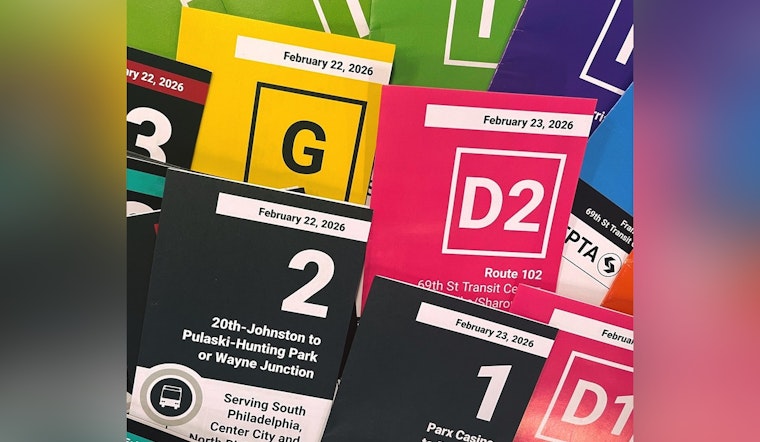
SEPTA riders are in for a shakeup next week, with new bus and Metro schedules set to hit almost every corner of Philadelphia. Starting Sunday, Feb. 22, and Monday, Feb. 23, the agency is rolling out updated timetables, new route naming, and a modern signal system on two trolley lines that could make some trips noticeably slower. Anyone who relies on trolleys or tight bus connections is being urged to build in extra time and double‑check schedules before heading out.
What’s changing
In a bulletin published Feb. 18, SEPTA said the Spring 2026 schedule change, effective Feb. 22 and Feb. 23, will phase out side‑by‑side references to old bus letters, except for Route K, and fully switch to numbered bus designations. Metro lines will be identified by letters.
The T and G trolley routes will appear only by their Metro names or departure‑destination labels. For example, signs for the T1 will read "13th St to 63rd-Malvern/Overbrook" instead of Route 10. The bulletin also details several bus network tweaks that are intended to ease overcrowding on specific routes.
New trolley signal system could lengthen trips
As reported by NBC10 Philadelphia, the D1 and D2 trolleys will start running under a Communications‑Based Train Control (CBTC) system on Monday, Feb. 23. CBTC uses radio communications between vehicles and signals to enforce safe stopping distances and speed limits.
SEPTA has adjusted D1 and D2 schedules to account for longer runs, with trips expected to take up to about 15 minutes longer on D1 and roughly 10 minutes longer on D2, depending on where riders start and finish their journeys. Even with the slower schedules, the agency plans to keep operating about five trolleys per hour in each direction on those lines.
How riders should plan
Riders are being urged to review the new timetables and allow extra time for any trips involving the D lines. SEPTA schedule PDFs, including the D1 timetable, outline updated departure and arrival times and warn customers to expect delays.
Transit apps and SEPTA’s realtime maps will reflect the new schedules, and the agency is steering riders toward trip‑planning tools or its customer service line for help sorting out the changes. Riders making connections with Regional Rail should note that some morning bus trips have been shifted to keep those train links intact.
Why it matters now
SEPTA frames these moves as the next phase of its broader Metro transition, aimed at making the system easier to navigate, and as part of a two‑decade effort to modernize rail signaling across the region. NBC10 Philadelphia notes that the timing comes as the agency continues to juggle modernization, service reliability, and ongoing budget pressures.
Riders can expect to see new maps and station signage appear as the Metro transition continues through 2026. SEPTA says it will keep a close eye on how the new schedules and systems perform and will make adjustments as needed in the first weeks. Transit staff are expected to be present at busy stations to help riders get used to the new names, routes, and departure times.





