

























































For nearly six months, Yvette Hicks has been living out of suitcases instead of the Fairburn house she called home for 17 years. Raw sewage flooded the property, stripping drywall and flooring and leaving the place uninhabitable. Hicks, who is undergoing treatment for stage‑4 blood cancer, said her doctor told her to leave immediately because her immune system is too weak for that kind of exposure.
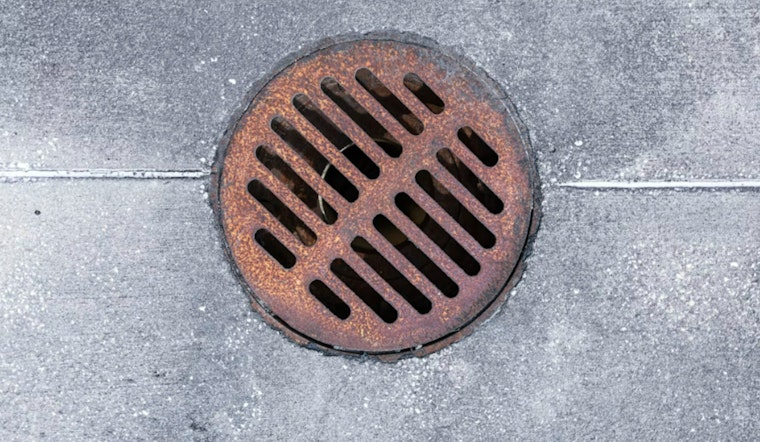
Surveillance video shows sewage spilling into her yard and backing up through toilets and drains. Family members described solid waste and personal belongings floating in the mess. Hicks says an asphalt crew working for the city crushed a drain cover, which she believes sent asphalt into the sewer line and kicked off the disaster.
After the backup, Hicks hired a plumber, who she says found asphalt clogging the line and told her the blockage was in the city’s sewer main instead of her private lateral. The city covered one week in a hotel and told her the contractor’s insurance would handle repairs. Since then, Hicks says, contractors have left the house gutted for months while she pays roughly $5,000 a month for temporary housing.
By her estimate, she has spent close to $30,000 on housing and living costs while she waits. She also says state authorities are checking whether sewage runoff found its way into a nearby stormwater system, as reported by WSB‑TV.
How The Blockage Allegedly Happened
Hicks says the trouble started when workers with an asphalt crew crushed a sewer drain cover while working nearby, which she believes allowed asphalt to migrate into the public sewer line and cause the backup.
"The toilets were overflowing, and we went down and started dipping it out, not knowing what it was," Hicks told WSB‑TV. Her daughter, Emily Phillips, recalled seeing "chunks of fecal matter, cigarettes, pads, wipes, tampons" coming out of the toilets. Surveillance cameras recorded sewage backing into the home.
Company Named By Homeowner
Hicks identified Triple R Paving as the contractor she believes was working on the nearby project. She says the company damaged a drain cover, which then allowed asphalt into the sewer system. Triple R Paving lists an office in Morrow, Georgia, and advertises service across the Atlanta area.
According to Hicks, she has seen little meaningful progress on repairs. She says crews removed drywall and flooring and then left the house that way for months, with the home still not fit to live in.
Legal And Liability Questions
Hicks says the city acknowledged responsibility and told her the contractor’s insurer would pay for repairs. Even so, she remains displaced while work drags on.
If her account is confirmed by inspections and insurance records, a contractor’s policy, rather than Hicks’ homeowner policy, would be expected to cover repairs and replacement. For homeowners in situations like this, sorting out who is responsible and getting insurers to release funds can stretch on for months, even after someone accepts fault.
Health Risks And Cleanup Rules
Raw sewage is considered a biohazard. Public health guidance notes that people with compromised immune systems face higher risks from exposure and that professional cleanup is needed to fully disinfect and dry contaminated areas.
The U.S. Environmental Protection Agency advises avoiding contact with sewage, using proper protective gear, and following certified cleanup standards before anyone moves back in, especially when a medically vulnerable person lives in the home. Those precautions carry extra weight in a household where someone is in active cancer treatment.
What Authorities Can Look Into
State and local environmental officials can examine whether polluted wastewater reached storm drains or waterways and whether construction work followed required stormwater controls. The Georgia Environmental Protection Division notes that municipal stormwater permits and MS4 rules set the standards for that kind of work.
Residents who need help with water or sewer issues can contact the City of Fairburn Utilities. Investigations can involve site visits, sampling of stormwater or wastewater, and enforcement or cleanup orders if state rules or permits were violated.
For now, Hicks is still in temporary housing, waiting for the day she can safely return home. "It’s just been unbelievable," she said, describing months of displacement, medical appointments, and mounting bills that she says have turned her life upside down.



