

























































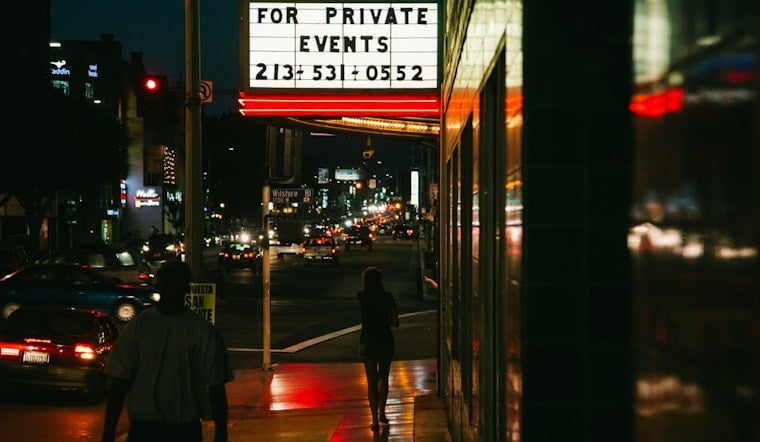
On a stretch of Figueroa Street in South Los Angeles, long nicknamed "the Blade," prostitution has shifted into what police and survivors describe as a round-the-clock open-air market. Women and girls walk the corners and approach cars in full view of homes, schools and houses of worship, turning public sidewalks into what advocates bluntly call a trafficker-controlled zone. The brazen visibility has pushed city officials and federal investigators to confront a crisis that blends violent crime, gaps in social services and neighborhood safety fears.
As reported by ABC7, the corridor runs roughly four miles from Gage Avenue to Imperial Highway, and vice investigators from the LAPD's 77th Division regularly patrol the area. According to that reporting, officers conduct age checks during stops: anyone under 18 is turned over to the Los Angeles County Department of Children and Family Services, while most adults are released with referrals to social services instead of facing criminal charges.
Where the Blade Runs
This stretch of Figueroa sits just south of major downtown event hubs, a short drive from Crypto.com Arena and the Los Angeles Convention Center, which means the visible sex trade operates in the shadow of some of the city's busiest civic and tourist corridors. As outlined by the Office of the City Attorney, the Figueroa Corridor has been the target of coordinated enforcement and civil actions aimed at motels and other businesses that officials say facilitate trafficking.
Federal and City Crackdowns
In August 2025, federal prosecutors announced a 31-count indictment charging 11 alleged members and associates of the Hoover Criminal Gang with racketeering and sex trafficking tied to operations on the corridor, according to the Department of Justice. Local and federal officials say the case, which alleges recruitment through social media, the branding of victims, and use of motels and payment apps, represents one of the largest coordinated efforts so far to disrupt trafficking on Figueroa.
Why the Problem Persists
Investigators and survivors tell reporters that the market holds steady because buyers are easy to find and traffickers can move quickly, which makes sustained enforcement a challenge. As reported by NBC Los Angeles, various operations have rescued minors and led to arrests of alleged exploiters, but officials say long-term services and consistent prosecutions are needed to keep people from being pulled back into trafficking.
Lawmakers and Critics Point to Policy
Some critics point to the 2022 Safer Streets for All Act (SB 357), which repealed the former "loitering for prostitution" statute, and argue that the change has made early intervention tougher. Supporters counter that the law helps curb discriminatory policing. The ACLU of Southern California lays out both the protections and limits of the law, and advocates and officials remain locked in a debate over whether the policy shift has made it harder to identify victims on the Blade. Each side insists its approach better shields vulnerable people from harm.
Legal and Investigative Stakes
The federal indictment carries steep potential penalties. The Department of Justice has warned that some defendants face mandatory minimum sentences and could spend decades in prison if convicted. Prosecutors have pointed to the methods described in court filings, including alleged branding of victims and pooling money to rent motel rooms for commercial sex, as part of a strategy to seek prison time and asset forfeiture in order to dismantle the networks behind the trade.
Neighborhood leaders and survivors say the Blade will only look different if city and state officials match targeted prosecutions with robust housing, mental health care and street outreach so that people pulled from the trade are not pushed back to traffickers. The city attorney's office says its civil and criminal efforts are ongoing, but residents who live along the corridor and watch it night after night say they still see girls and women being sold in plain sight.





