

























































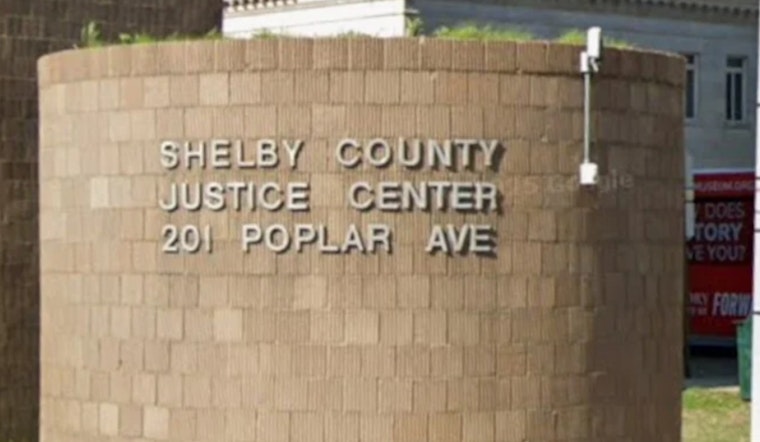
Shelby County leaders say Tennessee has stuck local taxpayers with a massive jail bill, and they want the state to pay up. Mayor Lee Harris has filed a formal claim with the Tennessee State Claims Commission, arguing the county is owed millions after housing hundreds of people convicted of state crimes in county facilities. He is warning that the shortfall is big enough to force hard budget choices if the fight drags on. At the center of the dispute are nearly 1,000 state inmates held at the county penal farm and the daily rate the state is willing to pay for their care.
According to WREG, Shelby County officials say Tennessee stopped reimbursing the county for state inmates in July 2025. They report that 959 state inmates are currently housed at the penal farm, which is separate from the downtown jail at 201 Poplar. Harris told reporters the county is seeking $110 per inmate per day, while the state has offered about $41 per day, and that unpaid charges stacked up to nearly $30 million last year. County officials told WREG they gave the Tennessee Department of Corrections a two-week deadline to move the inmates, but say the state did not act, which helped trigger the claims filing.
Per Diem Fight Widens The Shortfall
Shelby County’s $110-per-day request is far higher than the roughly $41 daily cap the state typically pays local jails, a gap county leaders say forces them to shoulder most day-to-day operating costs. As the Sycamore Institute’s analysis explains, Tennessee’s standard per diem, with only limited add-ons for certified programming, is a statewide maximum that generally applies to sentenced felons. Pretrial detainees and a range of other local expenses are not fully reimbursed. That mismatch between state caps and local costs helps explain why county officials say the missing payments have become a serious budget headache.
County Files Claim And Weighs Fiscal Options
Shelby County has turned to the Tennessee State Claims Commission to sort out whether the state is on the hook for the extra inmate costs, WREG reports. Harris told the station that lost reimbursements and staffing pressures helped drive nearly $30 million in added costs for the county last year. County officials say that if the money does not come through, they may have to look at a property tax hike, spending cuts, or some mix of both. The claim kicks off an administrative process that could lead to settlement talks or a hearing over how much responsibility the state bears for inmates held in county custody.
Overcrowding And The Larger Debate
The reimbursement fight is unfolding against a backdrop of mounting strain on Shelby County’s jail system and a long-running tug-of-war over who pays to fix it. A 2025 proposal that would have allowed Shelby County voters to raise the local sales tax to fund a new jail died in committee at the legislature, according to WMC Action News 5. At the same time, county leaders have moved forward with plans for a mental health facility next to the penal farm that is intended to cut recidivism and ease pressure on bed space, Action News 5 reports. Between the stalled state funding ideas, the build-out of local programs, and the current reimbursement clash, officials say their options are tightening as budget season approaches.
What To Watch Next
Key next steps include a formal response from the Tennessee Department of Corrections, the timeline the State Claims Commission sets for the case, and how county commissioners move to cover any ongoing gap. If the commission orders payment or the two sides reach a settlement, Shelby County could see relatively quick relief. If not, residents may soon be hearing detailed pitches for tax changes or deeper cuts to county services. Whatever the outcome, the fight highlights a long-standing tension across Tennessee over who pays for incarceration and how local shortfalls ripple through already tight public budgets.





