

























































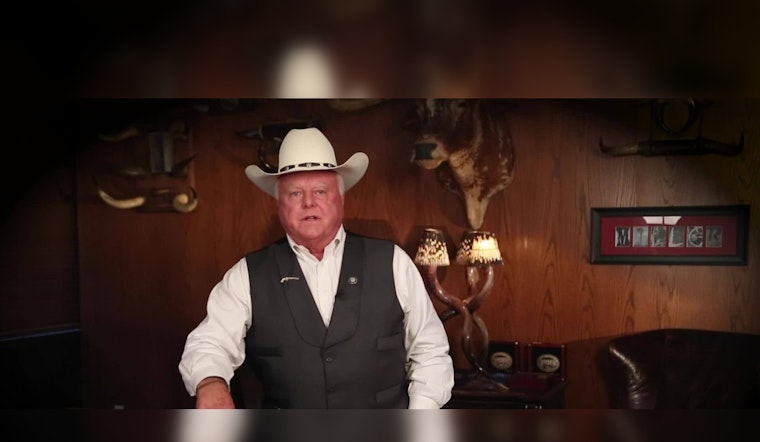
Texas Agriculture Commissioner Sid Miller is sounding the alarm on what he says is a full-fledged barbecue crisis, warning that sky-high beef prices and a shrinking cattle herd are pushing some beloved smokehouses to cut back hours, trim menus, or close up altogether. In his plea, he cast Texas barbecue as more than a food tradition, describing it as a small-business backbone that could lose pit rooms, staff, and signature cuts if the numbers stop adding up.
What Miller Wants From Lawmakers
Miller’s office is asking state and federal leaders to move quickly on policies aimed at stabilizing supply and protecting independent barbecue joints, arguing that swift action is needed to prevent more closures and keep workers on payrolls, according to the Texas Department of Agriculture. His statement links the squeeze to a mix of record beef costs, a long-running decline in cattle numbers, and inflation that is chewing through already thin restaurant margins. Miller is urging lawmakers and federal partners to look at steps that would shore up processing capacity and keep beef within reach for both restaurants and their regulars.
Smokehouses Feeling The Heat
On the ground, the impact is already showing up at the register. Local coverage has highlighted longtime smokehouses that are reducing hours, tightening menus, or going dark for stretches as they try to ride out the cost surge. San Antonio station KENS5 reported that Miller has warned that smokehouses are being forced to close or scale back because beef prices have jumped and supplies have tightened, leaving owners to juggle whether to hike prices or risk losing loyal customers. KENS5 also spoke with operators who say their higher wholesale bills are squeezing margins that were already razor-thin.
A National Beef Crunch Behind The Texas Pain
Miller’s warning plugs into a national supply story rather than a purely Texas problem. Industry reporting shows the U.S. cattle herd has contracted to roughly 86.2 million head, a winter low not seen since the early 1950s, while both retail and wholesale beef prices have climbed sharply. Ground beef averaged about $6.69 per pound in December 2025, and analysts are forecasting more price pressure this year, according to industry coverage. FoodIngredientsFirst and other outlets have tied the crunch to drought-related herd reductions, import disruption,s and shifting market dynamics that have left less beef to go around.
Pitmasters Watching Costs Go Up In Smoke
Texas pitmasters are living those numbers in real time. One Houston operator told The Guardian that when he opened a decade ago, prime brisket cost him about $2.50 a pound and now runs roughly $8 a pound. A jump like that forces barbecue joints to raise menu prices, shrink portions or cut back on other services, tough calls for places that rely heavily on word of mouth, neighborhood loyalty and a steady stream of regulars.
Policy Ideas And A Long Road Back
Miller’s push is landing in the middle of a broader debate over how to keep meat supplies steadier and prices less punishing. Policy ideas floated by officials and industry include expanding domestic processing capacity, creating targeted grants for smaller plants, and making short-term tweaks to imports. The hard reality for ranchers and restaurants is that cattle herds do not rebound overnight. Experts caution that rebuilding a breeding herd takes years rather than months, which means most near-term moves will focus on stabilizing markets instead of quickly boosting supply. The Washington Post and other outlets report that the long recovery timeline is already shaping what policymakers see as viable.
For Texans who see brisket as nonnegotiable and for the owners and employees whose paychecks are tied to the pit, Miller’s message is straightforward. Expect pressure on lawmakers and regulators to come up with short-term relief, even as everyone involved braces for what could be a years-long journey back to more comfortable beef supplies.





