

























































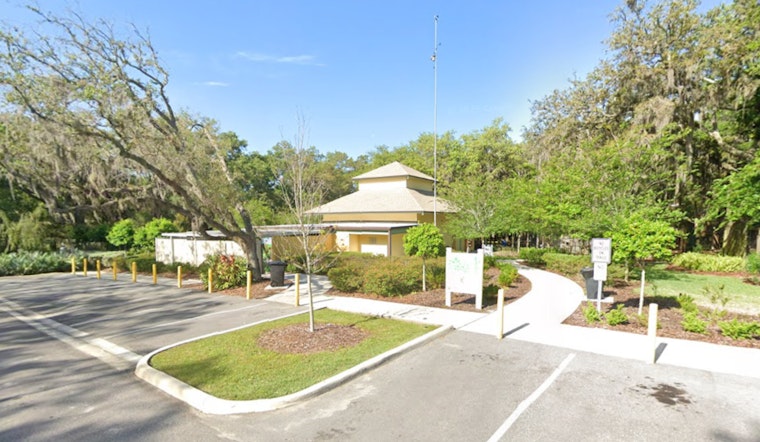
A bald eagle that was found tangled in vines along the Weeki Wachee River on Dec. 27, 2025 is back in the air after 49 days of rehabilitation. Rescuers transported the bird to the Raptor Center of Tampa Bay, where staff first kept it in isolation for intensive care, then moved it into a flight cage for a two week observation stretch. After a series of medical checks and flight tests, the eagle was cleared to go and released near the same stretch of river where it was first found.
From river to rescue
According to WFLA, the bird was discovered trapped in thick vegetation along the river and taken straight to the Raptor Center of Tampa Bay for emergency treatment. The station reports that initial testing at the center detected highly pathogenic avian influenza, a serious concern for raptors. Follow up testing about four weeks later came back negative, and bloodwork showed only negligible lead levels. WFLA notes that the center ultimately kept the eagle in care for 49 days before returning it to the wild.
Treatment at the Raptor Center
Per Raptor Center of Tampa Bay, staff placed the eagle in strict isolation at first to limit any potential risk to other patients, providing supportive care while the bird stabilized. Once it was strong enough, the team transferred the eagle to a flight cage so it could rebuild stamina and so rehabbers could monitor how it flew. The center details its quarantine and observation steps on its website and lists a hotline for people who find injured birds. Volunteers and staff shared the work of feeding, medication and gradually longer flight sessions until veterinarians and wildlife officials agreed the eagle was ready for release.
Why testing matters
Highly pathogenic avian influenza can be deadly for eagles and other raptors, which is why wildlife hospitals rely on repeated testing and careful quarantine procedures. The Raptor Center at the University of Minnesota maintains a reference page that explains HPAI risks and standard protocols. That resource notes that waterfowl can carry the virus with few obvious symptoms, while raptors that prey on them are often hit much harder. It helps explain the cautious approach in the Weeki Wachee case. Raptor Center of Tampa Bay has managed HPAI cases before, including a 2025 bald eagle rehabilitation described by FOX 13 Tampa Bay.
Local conservation context
Florida's bald eagle population has rebounded after decades of conservation work, and wildlife rehab centers around the state now routinely send injured eagles back into the wild. Audubon Florida has highlighted the steady flow of rehabilitated eagles and the volunteer networks that keep that system running. Those same local volunteers and clinics are often the first line of response when a bird gets into trouble along waterways like the Weeki Wachee River.
How to help an injured raptor
Experts advise that if you come across a raptor in distress, you should not try to handle it yourself. Instead, call a licensed rehabilitator for instructions. Raptor Center of Tampa Bay lists its hotline as 813-205-1851 on its website. The center's “Picking Up A Raptor” guidance offers step by step advice for safe rescue and transport, and the Southwest Florida Water Management District provides visitor and access details for the Weekiwachee Preserve where this eagle was found. When you call for help, be ready to share a precise location and mention any visible hazards so rescuers can reach the bird quickly and safely.





