

























































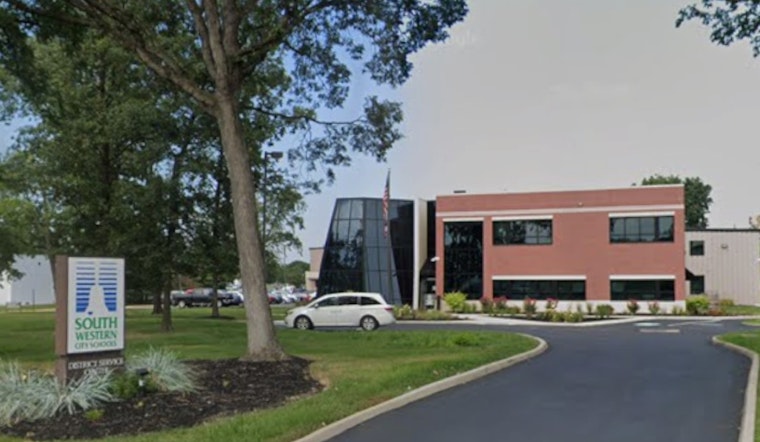
South‑Western City Schools signaled Monday that it may head back to the ballot for day‑to‑day operating cash for the first time in roughly 15 years, after district officials warned the school board that the general fund is staring at a multimillion‑dollar shortfall. Board members were shown projections that administrators say could eventually force program or staff cuts if new revenue does not come through.
As first reported by The Columbus Dispatch, Treasurer and chief financial officer Hugh Garside walked trustees through the forecast at Monday’s board meeting and told them, "It's time we start talking about that a bit." According to The Columbus Dispatch, administrators said the district is operating under a "multi‑million‑dollar budget deficit," prompting leadership to start exploring whether an operating levy will be necessary.
Why Officials Are Raising The Alarm
District leaders point to a familiar one‑two punch: rising costs and flat or uncertain state aid that are steadily eroding the district’s financial cushion. Those concerns echo warnings Garside has previously raised about state funding assumptions and inflation, according to Columbus Messenger.
The district’s Treasurer’s Office lists Garside as the chief financial officer responsible for forecasts and long‑range planning, which includes modeling how different funding scenarios could hit South‑Western’s budget in the coming years.
What A Levy Would Pay For
In Ohio, operating levies are the keep‑the‑lights‑on kind of money. They typically cover everyday costs such as teacher and staff salaries, transportation, classroom supplies and extracurricular programs, rather than bricks‑and‑mortar construction projects.
Local district explainer pages note that the bulk of operating levy revenue usually goes to personnel and basic services that keep schools running. For background on how operating levies are structured and used, see this example from West Clermont Schools.
Next Steps And How The Public Can Weigh In
The board did not set a timetable Monday. Administrators said they will keep running financial scenarios and return to the board with options for public review before any formal decision is made.
The district posts board agendas, presentations and five‑year forecasts on its public BoardDocs portal, where residents can see the same fiscal slides trustees are getting.
South‑Western also maintains a Finance Advisory Board, chaired by the treasurer, to provide community input on budget strategy and financial planning.
If trustees ultimately decide to ask voters for help, they would first choose the levy type and timing, then vote to place the measure on a future ballot. Residents can track meeting schedules, agendas, packets and recordings through the district’s Board of Education page and the BoardDocs site to follow any move toward a formal levy proposal.





