

























































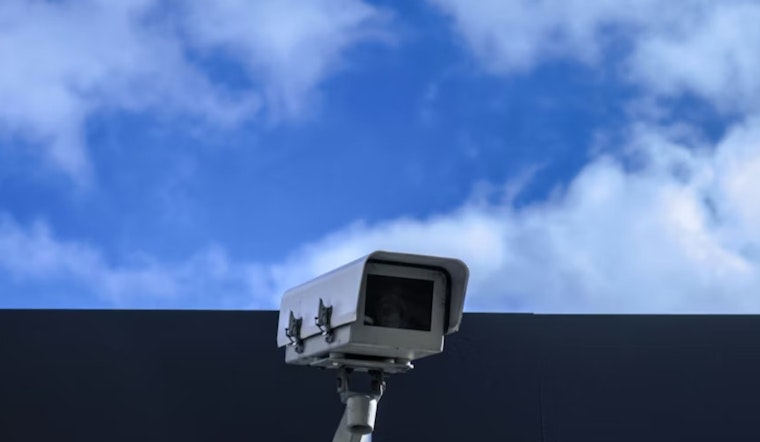
If it feels like San Francisco suddenly turned into a ticket trap, the numbers back you up. After the Municipal Transportation Agency flipped the switch on 33 automated speed cameras, the city jumped from about 26,000 traffic tickets in 2024 to roughly 122,000 in 2025. In just five months, those cameras alone spat out about 91,000 citations, outpacing both SFPD traffic stops and red-light cameras combined.
Ticket counts surge
According to the San Francisco Chronicle, city authorities issued just over 26,000 traffic tickets in 2024 and roughly 122,000 in 2025. Speed-camera citations accounted for about 91,000 of those in a five-month span. The Chronicle also reported that SFPD issues roughly 20,000 traffic citations in a year, while red-light cameras typically generate about 10,000.
How the rollout worked
The camera rollout unfolded in stages that stretched across the year. As SFist reported, cameras began coming online in March, followed by an official 60-day warning period that started in June. On August 5, 2025, the program shifted from warnings to actual fines. SFMTA says that window of warnings gave staff time to fine-tune both manual reviews and automated software screening before real tickets started landing in registered owners’ mailboxes.
Early evidence shows drivers slowing
The SFMTA’s first look at the data suggests the threat of a mailed ticket is doing its job. The agency’s initial evaluation found that speeding dropped about 72% at 15 monitored camera locations, and average speeds fell by roughly 4 mph after the devices were installed. The agency also highlighted a June-through-August dataset that included 260,142 combined warnings and citations, and reported that about two-thirds of vehicles that received a notice did not get a second one.
Officials: cameras supplement officers
City leaders are pitching the cameras as a way to plug enforcement gaps created by years of staffing shifts and administrative burdens. Supervisor Rafael Mandelman told the San Francisco Chronicle that the technology is partially compensating for missing police bodies. The Chronicle also noted that camera citations do not appear on a driver’s license record, a limitation Mandelman pointed to when arguing that automated systems cannot fully replace officers on the street.
Pushback and practical workarounds
Not everyone is cheering the new regime. Critics say the early wave of fines makes the program look like a cash grab. SFGATE reported that SFMTA issued 16,555 citations in August alone, and earlier coverage raised concerns that August fines could total around $1.2 million. Drivers, for their part, are not exactly taking this lying down. Many are using navigation apps to tag camera locations or tapping the brakes only in known camera zones. Officials acknowledge that loophole and note that SFMTA can respond by relocating the devices.
What comes next
SFMTA says it plans to publish quarterly figures and a deeper analysis after 18 months of data, according to SFMTA. The agency expects citation volumes to drop over time as driver behavior changes. For now, the early numbers point to sizable, very local safety gains at camera sites, along with a running argument over enforcement, equity and how all that enforcement money should be spent.





