

























































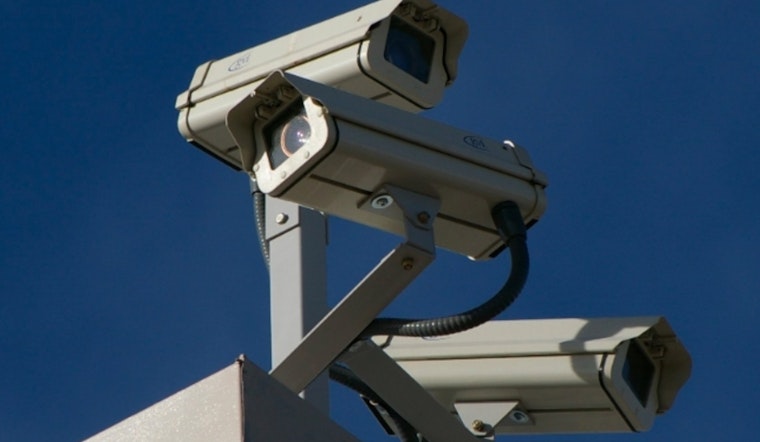
The Oklahoma Senate is weighing a plan that would let state troopers and transportation officials clock speeders with automated cameras at the front of highway work zones, then flag drivers who rip through the cones like they are not even there. Contractors say they are desperate for something that will slow traffic on corridors such as Interstate 40, where close calls have become part of the job. The proposal has already split opinion between those who see a life-saving tool and those who see one more set of government eyes on the road.
According to KOCO, cameras on a stretch of I-40 have captured drivers hitting 120 miles per hour, and contractor Randy Jones recalled a near-fatal encounter with a speeding semi that threw him from his equipment. "Data from 2020 to 2024 shows that somebody dies in an Oklahoma work zone every other week," Bobby Stem of the Association of Oklahoma General Contractors told the station.
What the bill would do
Senate Bill 1434 would let the Department of Public Safety and the Department of Transportation set up automated enforcement devices at the start of construction zones, with a warning sign posted 100 feet ahead of each device. The system would only alert a peace officer if a driver blows past the posted limit by more than 10 miles per hour. Under the bill, any image not used as evidence must be deleted within 15 minutes, and any image tied to a citation must be deleted within 24 hours after the case is resolved, according to the Oklahoma Legislature.
The proposal also spells out technical and vendor rules. Devices would have to be calibrated whenever they are moved, then checked by independent auditors twice a year. Vendors who keep images longer than allowed could be fined. The bill sets an effective date of November 1, giving agencies time to write rules and set up equipment if it becomes law.
Supporters point to safety data
Supporters argue that the program is narrower than broad automated ticketing systems and is aimed squarely at the times and places where workers are actually on the road. They say it would give troopers a quicker way to catch the most reckless drivers, instead of relying only on a patrol car that may be miles away.
The Oklahoma Department of Transportation has repeatedly flagged work zones as some of the most dangerous stretches of pavement in the state. Over the past five years, ODOT reported 91 people killed and about 1,294 injured in more than 7,125 work-zone crashes. The agency already runs public campaigns urging drivers to slow down around orange cones. Backers of SB 1434 say cameras would not replace that outreach but would back it up with real consequences when workers are on site.
Privacy and legal questions
Not everyone is thrilled about letting cameras call out speeders. Residents and privacy advocates have raised alarms about automated monitoring and what it could mean for Fourth Amendment protections and due-process rights, as KOCO reported. Critics worry that a system designed for work zones could be expanded over time or misused once it is in place.
Sponsors counter that SB 1434 tries to build in guardrails from the start. The bill text lays out strict deletion timelines, bans on selling or transferring images, and a prohibition on using the devices for identification or analysis beyond speed enforcement. Combined with calibration rules and twice-yearly audits, they argue, those limits are meant to keep the focus on safety instead of surveillance.
How the bill moves forward
The measure, authored by Sen. Darcy Jech, was introduced in early this month and assigned to the Senate Aeronautics and Transportation Committee for its first real test. From there, it could be amended, stalled, or pushed to the full Senate, according to LegiScan.
If SB 1434 advances, supporters say they would like cameras up and running before the busiest construction season hits, arguing that every month of delay leaves workers exposed. Opponents, meanwhile, are already talking about possible court fights or late-session tweaks that could slow the rollout or change how the program works. For now, the only sure thing is that the battle over Oklahoma's work-zone speed cameras is just getting started.



