

























































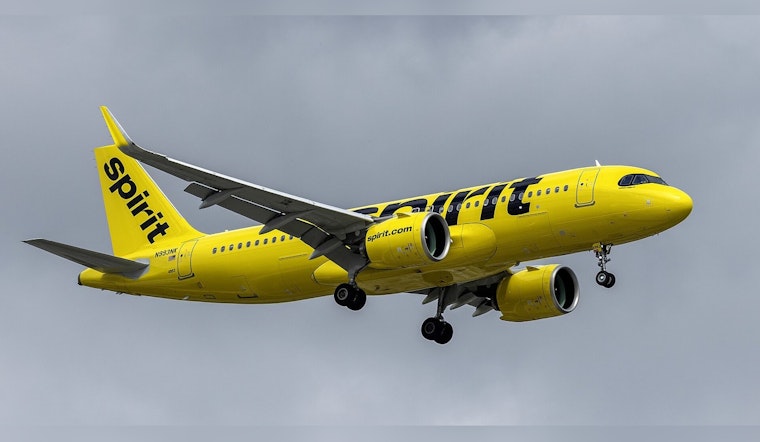
Spirit Aviation Holdings is asking a U.S. bankruptcy judge to sign off on a dramatic cost-cutting move: auctioning off 20 Airbus A320 and A321 jets. In its filing, the company says shrinking the fleet will lower maintenance, storage and flying expenses while also paying down debt tied to those aircraft. If the court approves the bidding procedures, Spirit aims to run the auction in April as part of its ongoing Chapter 11 overhaul.
According to Investing.com, which relayed a Reuters report, CSDS Asset Management has already stepped up as the initial bidder, agreeing to buy the 20-plane bundle for about $533.5 million. Spirit’s proposed rules would let it shop that deal and seek competing offers starting at roughly $554 million if the judge gives the green light. The filing casts the sale as a way to right-size the fleet around a redesigned commercial and network strategy.
Spirit’s request is one chapter in a broader restructuring saga that began with its August 2025 Chapter 11 filing, according to company disclosures to the SEC. Those filings detail how the carrier has already returned aircraft to lessors, arranged debtor-in-possession financing and signaled sizable network cuts as it tries to stabilize. Creditors and bondholders will be watching closely to see how any auction proceeds are applied inside the reorganization.
What This Could Mean for South Florida
The jets could wind up flying anywhere, but the fallout from Spirit’s fleet diet will land hard in South Florida, where the company still keeps a major corporate footprint. Choices about which aircraft to sell ripple directly into Fort Lauderdale and Miami schedules, local jobs and airport operations. Local reporting has already documented route withdrawals, furloughs and other cutbacks tied to the airline’s financial turmoil. Coverage of the airline’s recent bankruptcy filing and reporting from WLRN have tracked earlier waves of staffing and network reductions tied to the Chapter 11 process.
Auction Mechanics and Buyers
On paper, CSDS Asset Management is the stalking-horse bidder, a role that sets a floor price and dares any rival to top it in a court-supervised auction. If the judge signs off on Spirit’s proposed sale procedures, the airline will formally alert potential buyers and hold the auction in April, aiming to use the cash to retire debt secured by the 20 jets. The roughly $533.5 million stalking-horse bid and about $554 million minimum for competing offers surfaced in recent Reuters-based coverage carried by Investing.com.
Legal and Creditor Implications
Under bankruptcy rules, the court has to approve both the bidding procedures and the final sale, and creditors can object if they think the process undervalues the planes or favors one buyer over another. Spirit has told the court that offloading the aircraft is intended to cut maintenance, storage and flying costs and to channel proceeds into paying off debt tied to the jets. As noted by New Orleans CityBusiness, the sale framework effectively turns the market into a live appraisal of the fleet: if richer bids emerge, that extra value could change how much secured lenders and unsecured creditors ultimately see.
For travelers and airports, the near-term impact will hinge on which specific jets Spirit parts with and how quickly it can redeploy what remains. Some routes could see thinner schedules or different aircraft types as the carrier reshuffles its operation. The auction, and the judge’s verdict on whether the deal treats creditors fairly, now looms as a key episode in Spirit’s attempt to remake itself while still flying under Chapter 11 protection.





