

























































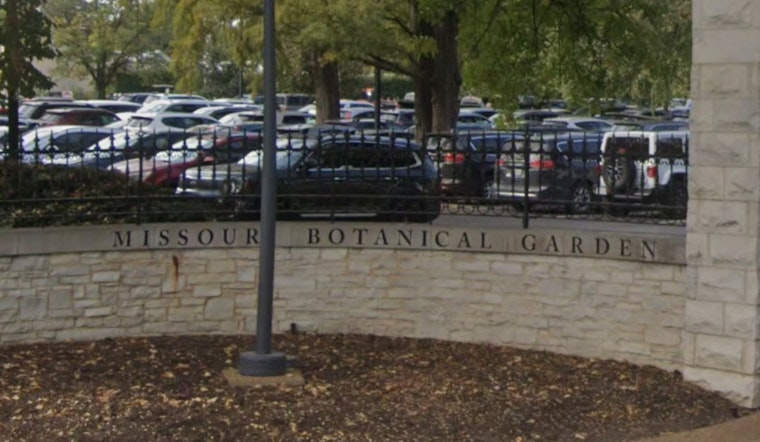
The Missouri Botanical Garden in St. Louis is rolling out a space-age AI system that taps hyperspectral, space-derived tech to identify plants from dried herbarium sheets. Bankrolled by an anonymous $14.4 million gift, the effort pairs spectral “fingerprints” with machine learning to chew through a massive backlog of unidentified specimens. Garden scientists say the tool could eventually ride on drones or remote sensors so conservation teams can spot rare and threatened species far faster than they can on foot.
In a press release, the Missouri Botanical Garden said its Revolutionizing Species Identification (RSI) initiative will digitize millions of herbarium specimens and build an AI reference library to speed up species ID work. The Garden describes the anonymous $14.4 million donation as the largest gift to botany in recent years and says the project will bring millions of specimens online over the next several years. Project leaders say the combined scanning, multispectral imaging and AI will create a conservation dataset that is unmatched in scope.
From Space To Sheet: How Spectral Data Works
Hyperspectral scanning measures how plant material reflects light in many narrow wavelength bands, generating a unique spectral signature for each species that regular cameras simply cannot see. As reported by St. Louis Public Radio, Matt Austin of the Garden boiled it down this way: “The physics behind light reflection applies to the entire universe.” Researchers say those spectral fingerprints let algorithms pick up chemical and structural traits such as leaf chemistry and surface texture, which can speed identification far beyond what human eyes can reliably sort.
Global Teams Are Building The Toolkit
The Garden’s work plugs into an international push to capture reflectance spectra from herbaria around the world, detailed in a review in New Phytologist led by Jeannine Cavender-Bares. That review lays out protocols and the scientific case for standardizing spectral digitization so that old museum sheets can be tightly linked to modern remote-sensing data. Authors from botany and remote-sensing teams argue this approach will let researchers model how plant traits and distributions shift across both time and geographic space.
What It Means For St. Louis And Botany
The RSI team has already added scanning stations, brought on new staff and started racking up early milestones. The project marked 500,000 specimens digitized in 2025, and the Garden reports passing 700,000 digitized specimens by year’s end while scanning more than 7,000 sheets for hyperspectral reflectance. Those figures are documented on the Garden’s project pages and its year-in-review site. Project leaders emphasize that the tool is meant to triage routine identifications, not to replace taxonomists, so human experts can spend more time on the toughest or potentially new species.
Next Steps And Open Questions
Specialists caution that algorithms are only as solid as the reference libraries behind them and that a global shortage of trained taxonomists still limits how fast results can be confirmed. A technical review in New Phytologist, echoed by Garden scientists, stresses the need for broad, carefully vetted spectral libraries and continued human expertise to interpret what the AI spits out. For background on the project’s launch and early staffing, see Hoodline’s earlier coverage of the Garden’s digital herbarium project.




