

























































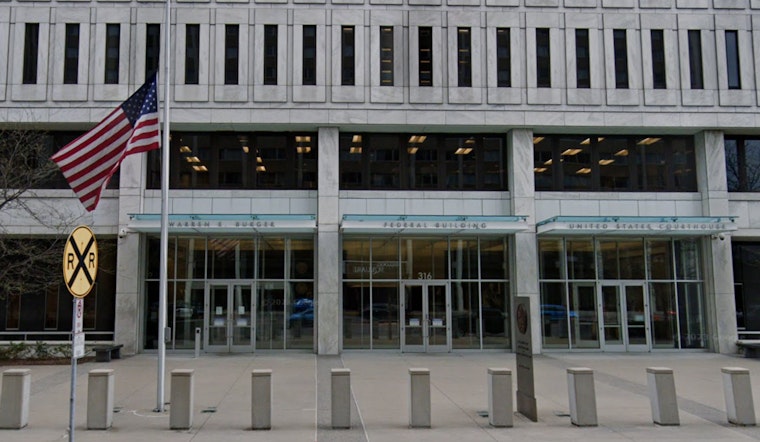
A federal judge in St. Paul has ordered Minnesota’s U.S. attorney and senior Homeland Security officials to show up in his courtroom on March 3, warning he may hold them in contempt over what he calls repeated unlawful conduct. The order pulls together a wave of habeas petitions tied to the federal immigration surge in Minnesota and alleges officials blew court deadlines and failed to return property to people released from detention.
Judge combines dozens of cases and sets March 3 hearing
U.S. District Judge Jeffrey Bryan’s written order folds 28 separate habeas matters into a single proceeding and directs U.S. Attorney Daniel Rosen and representatives of ICE or DHS to explain why they should not face civil or criminal contempt if the property in question is still missing by the March 3 hearing, according to reporting by Minnesota Reformer.
What the order says was missing
Bryan’s filing lists dozens of instances in which people released from custody were allegedly let go without their cash, cellphones, passports, work permits, driver’s licenses and clothing. The order also notes that some detainees were flown out of state before lawyers could secure their releases. MPR News reports that Rosen spoke with reporters this week at the federal courthouse as the litigation has intensified.
Lawyers: order signals a lesson
“I was shocked by the order,” said Taylor Volkman, an attorney on one of the cited cases, describing the government’s pattern of missed property returns and late filings as reckless in court documents and interviews. That reaction, along with other on-the-record comments from attorneys, is summarized by Minnesota Reformer.
Part of a wider judicial showdown over Metro Surge
The contempt threat lands after months of mounting friction between federal judges and immigration authorities, following the administration’s decision to send thousands of agents to Minnesota in what DHS has called an enforcement surge. Judges across the district have flagged noncompliance in recent weeks, including an earlier high-profile order from Chief Judge Patrick Schiltz that at one point required ICE’s acting director to appear in person, highlighting a broader judicial pushback. That earlier Schiltz order and its fallout were reported by The Washington Post.
Contempt has already been used to force compliance
Federal judges in Minnesota have already tested how far they are willing to go. Last month, one judge threatened daily fines and briefly held a Justice Department lawyer in contempt after identification documents that had been ordered returned to a released detainee were not promptly provided. That ruling and the eventual return of property were covered by CBS News and local outlets.
What could happen next
If the government cannot show before or at the March 3 hearing that all property has been returned, Bryan’s order says the U.S. attorney and ICE officials must show cause for any noncompliance and face the possibility of civil fines, injunctive relief or other sanctions. The order names multiple senior officials as respondents and states that the judge will consider both civil and criminal remedies to enforce his earlier directives, as reflected in the filing posted on DocumentCloud.
Office responses and stakes
The U.S. attorney’s office and DHS did not immediately issue detailed responses to Bryan’s contempt warning. Rosen did speak briefly with reporters at the Minneapolis federal courthouse this week, according to MPR News. The March 3 hearing now shapes up as a test of whether the administration can quickly fix its case management problems in Minnesota or whether judges will impose penalties that could slow or reshape immigration enforcement in the region.





