

























































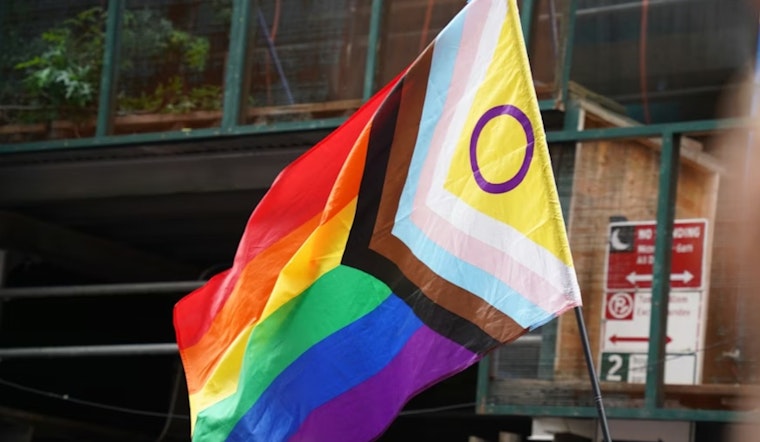
Utah lawmakers have fired a fresh shot in the long-running fight over what flags can fly on government property, advancing a bill that would sharply cut down how many “official” city banners are allowed in some of the state’s most visible public spaces. House Bill 302 would let a municipality keep one official flag at prominent sites while sidelining any additional official flags at schools, airports, transit hubs, and courthouses, putting Salt Lake City’s three newly minted banners squarely in the spotlight.
Committee Moves Bill Toward A House Vote
The Utah House Government Operations Committee voted Friday to give H.B. 302 a favorable recommendation and send it to the full House, according to ABC4. As written, the measure would strictly limit where any extra official municipal flags can be flown and would cap the number at one official city banner at places such as airports, schools, courthouses, and transit facilities. The full bill language is posted on the Utah Legislature’s website and in standard bill-tracking tools.
How Salt Lake City Got Here
Salt Lake City adopted three new municipal flags on May 6, 2025, versions of Pride, transgender-visibility, and Juneteenth flags that incorporate the city’s sego lily, after a 2025 state law narrowed which banners governments may display, according to a city press release. Mayor Erin Mendenhall and members of the City Council framed the move as a way to keep symbols of belonging flying while technically complying with the state’s restricted list, as reported by the Salt Lake Tribune and by the city.
Reactions From State Leaders
The strategy of creating municipal flags that closely resemble Pride and Juneteenth designs drew quick criticism from state Republicans and the governor’s office last year, and H.B. 302 has brought that fight back to the Capitol. Gov. Spencer Cox and other state leaders publicly condemned the city’s move, according to reporting by ABC4. Lawmakers who supported the 2025 restrictions say their goal is to keep government property politically neutral, while local critics argue the new bill would chip away at municipal control, a tension described in coverage by KSL.
What The Bill Would And Would Not Do
H.B. 302 includes a series of carve-outs. Federal and state flags, certain historical flags, and military banners would all remain exempt, and cities could still display ceremonial or event-specific banners, but only in limited locations, according to the bill text and related fiscal documents. The proposal also states that it would not prevent private individuals or businesses from flying unofficial flags on their own property, language spelled out in materials released by the Legislature and summarized by bill-tracking services.
Legal And Political Implications
Supporters contend the bill would restore a single, predictable standard for what flies over government facilities. Opponents counter that it hands the Legislature more power over local symbols and could discourage cities from expressing community values at all. Advocacy groups and local officials have already flagged concerns about local control and possible free speech effects, reactions reflected in advocacy trackers and local reporting.
What Happens Next
With the Government Operations Committee’s thumbs-up, H.B. 302 now heads to the House floor for debate and additional votes. The Legislature’s online bill page and accompanying fiscal note list the current status and full text. Salt Lake City officials have previously said they will explore legal and policy options to keep their trio of flags in place, and watchdog groups say they plan to monitor the bill closely as it moves through the rest of the legislative process.





