

























































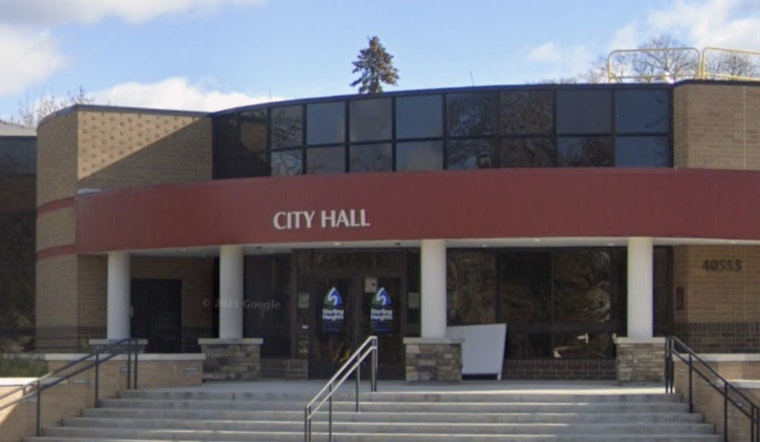
In a unanimous decision, the Sterling Heights City Council has opted for a cautious approach toward the burgeoning interest in data center development by passing a one-year moratorium. As reported by Audacy and other outlets, this move is intended to buy the city time for research and to update a nearly five-decade-old zoning ordinance that did not anticipate today's technological advancements.
Councilman Michael Radtke expressed his backing for the moratorium, noting the outdated nature of the current regulations. “The original regulations that this pertains to were adopted in 1978, before I was born, and before computers were as powerful as as energy-hungry and everything them as now," he told Audacy. The temporary halt is not a sign of opposition to data centers but a measure to ensure that, if and when they are built, they are regulated sensibly to protect residents.
Michigan, and more specifically Southeast Michigan, has seen an uptick in data center site requests. Dr. Jake Parcell, city planner for Sterling Heights, highlighted during a council meeting that the demand for large-scale server facilities has risen, particularly with advances in artificial intelligence, as recorded by CBS Detroit. Currently, the city lacks the space for a hyperscale center across several hundred acres, but they are considering the possibilities of establishing smaller-scale centers in the existing industrial corridor.
Amidst the moratorium, officials are keen on examination topics such as the impact of a data center on community resources and the suitability of locations regarding proximity to residential areas. "This is more preparation on our part," councilman Michael V. Radtke Jr. said in a statement obtained by CBS Detroit. The objective is to devise rules and regulations that align with the present-day context of computing and data management.
The conversation around data centers is not unique to Sterling Heights. Other localities, such as Howell, Pontiac, Taylor, and Springfield Township, have also initiated moratoriums in response to the complexities associated with these facilities. According to The Detroit News, Councilwoman Maria Schmidt emphasized the importance of taking deliberate steps saying, "Because it's hard to put Pandora back in the box. So I'm glad that we're taking a breath and doing this the right way."





