

























































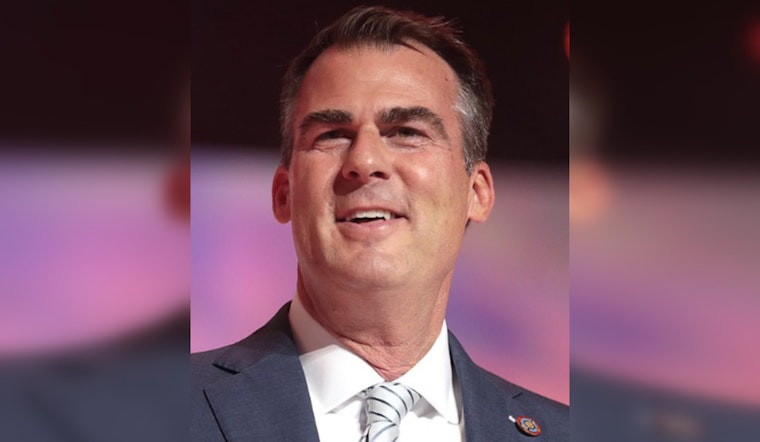
Governor Kevin Stitt took to social media on Monday to brag that "your dollar stretches further in Oklahoma," arguing the Sooner State sits near the top of the heap for affordability and economic freedom. He linked the state's low living costs to policy choices at the Capitol and suggested most of the priciest states are Democratic strongholds. The post quickly started bouncing around news feeds and sent reporters and policy watchers back to the data, as reported by the Missouri Economic Research and Information Center.
Data backs the affordability claim
On the core question of cost of living, the numbers are on Stitt's side. State-level indexes put Oklahoma near the front of the affordability pack, with a composite score well under the national benchmark and especially low housing costs. According to the Missouri Economic Research and Information Center, Oklahoma's 2025 annual-average index sits in the mid 80s, which means everyday prices run roughly 14 to 15 percent below the U.S. average. That gap on housing and local goods is the backbone of Stitt's "your dollar stretches further" pitch.
Economic freedom ranking is real, but it measures something different
Stitt also leaned on Oklahoma's strong showing in "economic freedom" rankings, which focus on policy levers like taxes, government spending and labor-market rules rather than grocery bills. The Fraser Institute's Economic Freedom of North America report has consistently ranked Oklahoma among the freest U.S. states on its subnational measures, a point the governor highlighted in his post. As the Fraser Institute notes, those scores describe the policy environment, not the price of milk.
Politics and price tags often overlap
Stitt went a step further and said "9 of the 10 most expensive states are solid blue." MERIC's list of the highest-cost states is dominated by the Northeast and West Coast, with Hawaii, Massachusetts, California and New York all crowding the top tier. Line that list up against the 2020 presidential map, and almost all of those same states backed the Democratic ticket. The 2020 election results compiled in Wikipedia show the partisan overlap, although the familiar warning still applies: correlation is not causation.
What it means for Oklahomans
Lower prices clearly help paychecks go further, but the story does not stop there. Per-capita personal income figures from the Bureau of Economic Analysis show Oklahoma's per-person income trailing many of those high-cost coastal states, which eats into some of the advantage created by cheaper housing and utilities. Anyone trying to weigh Stitt's message has to juggle cost-of-living indexes from MERIC, policy rankings from Fraser and income data from BEA at the same time.
Bottom line, Stitt's post is anchored in verifiable statistics: Oklahoma is inexpensive by major cost measures, and its policy rankings are strong. What the viral sound bite glosses over are the tradeoffs, from wages to public services, that shape what "affordable" really feels like on the ground.





_(cropped).jpg)