

























































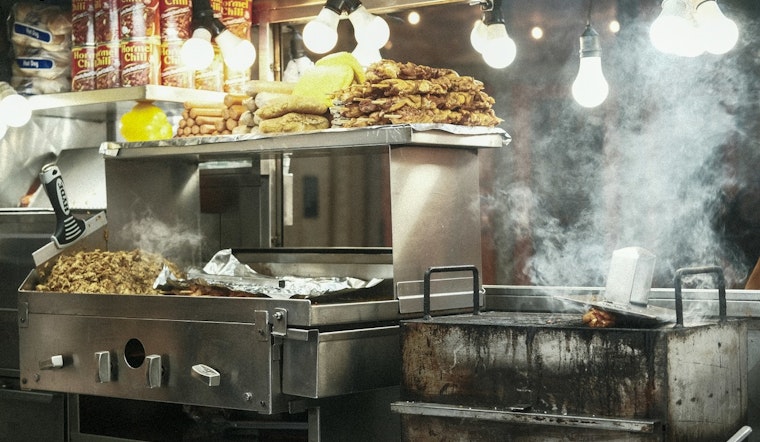
Downtown St. Louis is caught in a late-night tug-of-war over sidewalk food stands, with some neighbors insisting the carts invite chaos while vendors and hungry bar-goers defend them as a crucial lifeline after last call. The fight has spilled into public meetings, city forums and social feeds as officials try to balance safety worries with a push to keep downtown nightlife alive.
Some residents have blamed the stands for “fueling a party scene” that they say brings noise, disorder and crime. Other neighbors and customers told reporters they see the carts as part of the heartbeat of St. Louis nightlife, according to KSDK. That report was updated Feb. 25, 2026, as complaints mounted in neighborhoods near the downtown corridors.
Where The Stands Cluster
The late-night carts are most visible along stretches of Washington Avenue and other downtown corridors, where residents and visitors describe regular post-bar-closing lines snaking down the sidewalk. A local Reddit thread packed with both complaints and praise for the vendors shows just how much the issue has become a hot topic among downtown regulars and business owners; see the discussion on Reddit.
What The City Code Allows
City ordinances have long limited where sidewalk vending is allowed and laid out rules for permits, spacing and hours. Vendors say that framework is confusing and tough to navigate, while some neighbors argue it makes enforcement spotty at best. The key provisions are spelled out in the city’s vending rules and permit language in the St. Louis revised code, which details vending districts and operating requirements.
Neighbors, Vendors And The Middle Ground
Neighbors who spoke to reporters pointed to trash piling up, loud late-night crowds and the occasional fight as reasons to clamp down on the carts. Vendors and customers countered in those same interviews that the stands provide essential late-night food and help support small businesses, per KSDK. Both sides told reporters they want clearer, more consistent enforcement from City Hall so expectations and accountability line up the same across neighborhoods.
How Other Cities Handle It
Cities across the country have wrestled with the same tradeoff between public safety concerns and downtown energy. Some have recently rewritten vending rules to set up designated vending zones and reduce criminal penalties for unlicensed vending. The D.C. Council’s vending reforms are one notable example of a city trying to walk that tightrope; see D.C. Council coverage.
For now, the St. Louis dispute is playing out in neighborhood meetings and online threads as aldermen, downtown businesses and neighborhood groups debate what comes next. Any change in the rules or in how they are enforced will help decide how the city balances late-night buzz with a sense of safety on its sidewalks.





