

























































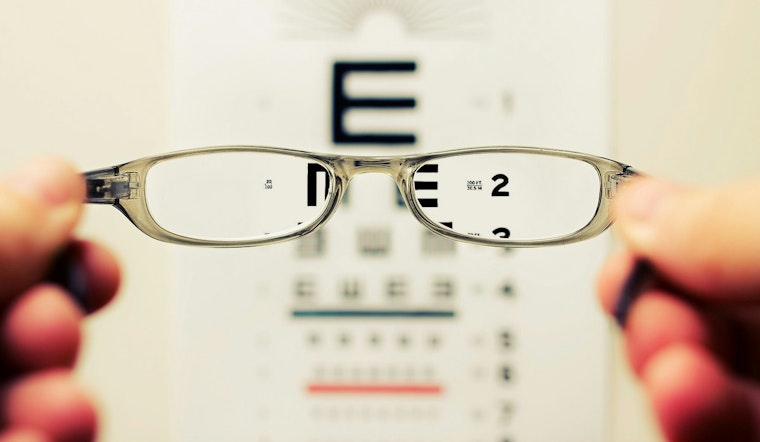
Researchers at the SUNY College of Optometry say your phone might not be the main villain in the global nearsightedness surge. Instead, they argue the real culprit is "light starvation," meaning the retina is getting too little illumination when people stare up close for long stretches in dim indoor settings. They warn that myopia can progress quickly and is linked to higher long-term risks of serious retinal problems that threaten vision.
Study Reframes 'Screen Time' Blame
The paper, published in Cell Reports, lays out a unifying physiological explanation. According to the authors, sustained close work indoors leads to accommodative pupil constriction that, in low ambient light, sharply cuts down retinal input and may trigger eye growth changes tied to myopia. That model helps explain why time outdoors and treatments such as low-dose atropine or multifocal lenses appear to slow progression, according to ScienceDaily.
How "Light Starvation" Works
The team measured how contrast and accommodation activate ON and OFF retinal pathways. They found that people with myopia show unusually strong accommodative pupil constriction and altered blink-driven responses that could weaken ON-pathway signaling. "This is not a final answer," senior author Jose-Manuel Alonso said, but the group argues that the idea is testable and neatly links near work, dim indoor lighting and existing myopia-control tools, per EurekAlert!.
What Doctors Are Saying
Local physicians told ABC7 New York that nearsightedness now affects roughly half of young adults in the United States and Europe and can speed up the risk of problems such as retinal detachment and degeneration. Their practical advice is decidedly low tech: read near a window, take frequent breaks from close work and hold phones at about arm's length when reading.
Implications For Families And Schools
With myopia rates climbing sharply from one generation to the next, prevention has become a public health priority for parents and educators. The SUNY hypothesis points to straightforward changes, such as brighter classrooms, scheduled outdoor breaks and shorter stretches of intense close-up work, alongside clinical options like multifocal lenses or low-dose atropine, as reported by MedicalXpress.
When To See An Eye Care Professional
If a child or young adult shows fast changes in their prescription or worsening distance vision, doctors say it is time to book a myopia-management evaluation. SUNY College of Optometry and its University Eye Center in Midtown provide clinical care and conduct ongoing research on myopia prevention, according to SUNY College of Optometry.
The takeaway for New Yorkers is straightforward, even while scientists work on large-scale trials to confirm the mechanism. Turn up the lights where you read, break up long close-up sessions and get kids outside more often. The new theory shifts the blame away from screens alone, without letting them off the hook, and focuses instead on light levels and visual habits that people can start changing right now.





