

























































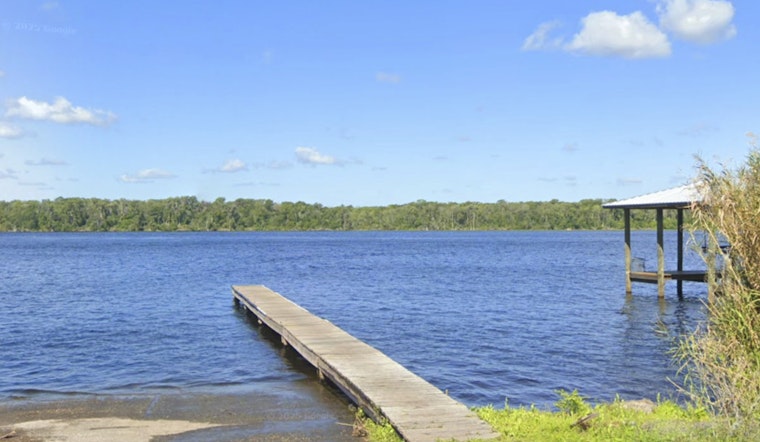
After years of brawling over the fate of the Ocklawaha River, lawmakers in Tallahassee inched toward restoration this week while sidestepping the most radioactive question of all: whether to knock a hole in the Kirkpatrick (Rodman) Dam. The new bill charts a long-term restoration plan and hands the final call to a state-appointed advisory council, pleasing almost no one but giving both sides just enough to stay at the table.
Supporters are selling the proposal as a science-first roadmap to reopen drowned springs, expand manatee habitat and reconnect a once free-flowing stretch of river. Opponents counter that anglers and small businesses built livelihoods around the reservoir and deserve more than a token say. The measure sets hard deadlines for planning and studies, then punts the ultimate dam decision to a mix of local appointees and agency experts.
What the Bill Would Do
The House version of the measure, CS/CS/HB 981, orders the Department of Environmental Protection to hire a project lead by Aug. 31, 2026, produce a detailed project plan by July 1, 2027, and aim to finish restoration work by Dec. 31, 2032. It would also create the Northeast Florida River and Springs Recreation and Economic Development Advisory Council, which must submit an advisory report by Feb. 1, 2027. Those timelines and requirements are spelled out in the bill text on the Florida Senate website, according to Florida Senate.
The Senate companion, in its latest committee substitute, mirrors that structure and timelines and explicitly lists "breaching the Kirkpatrick Dam" as one of the options the project plan should evaluate, according to the Senate bill text cited by Florida Senate. In other words, the controversial move is on the menu, but no one in the Capitol is ordering it yet.
Why "Breach" Became a Political Line
Sponsors say the careful wording is a survival tactic after years of bitter local fights. The bill's sponsor, Sen. Jason Brodeur, has repeatedly tweaked the language to calm anglers and nearby businesses while insisting the process will stay methodical, as reported by Orlando Sentinel.
Brodeur told National Geographic that earlier efforts felt like "'dynamite the dam' - and that's not what this is at all," instead pitching his bill as a "thoughtful, long-term, comprehensive glidepath to restoration." In short, lawmakers are promising a slow walk, not a sudden blast.
A Reservoir and a Ghost Forest
The Rodman Reservoir behind the Kirkpatrick Dam sprawls across roughly 9,500 acres, created when the U.S. Army Corps of Engineers closed the structure in 1968 and flooded miles of river and bottomland forest, according to Florida State Parks. Restoration advocates say that impoundment buried at least 20 natural springs and drowned thousands of acres of floodplain.
Groups such as Florida Defenders of the Environment point to those losses as the core argument for a full river restoration. During periodic drawdowns, the reservoir's stumps, springs and a haunting "ghost forest" of dead trees emerge from the shallows, reminding everyone exactly what was sacrificed for the reservoir in the first place.
Drawdown Season Shows What Was Lost
State crews kicked off a new drawdown in October 2025, dropping water levels and holding them low through March 2026. The exposed landscape of submerged springs and dead cypress snags has become a seasonal spectacle for birders, anglers and photographers, according to reporting by Ocala Gazette.
Officially, these drawdowns are maintenance projects meant to beat back invasive plants and improve habitat. Politically, they double as open-air exhibits on what the river lost and what might be regained. Every time the mud and stumps appear, both restoration advocates and reservoir loyalists rush to use the moment as fresh leverage in the legislative fight.
Price Tag and Politics
No one is pretending this will be cheap. Brodeur told National Geographic that he expects the initial restoration work and related community investments to run in the tens of millions of dollars, roughly $75 million.
Other reporting and analyses suggest that a full restoration plus related infrastructure upgrades could cost "upwards of $100 million," according to Orlando Sentinel. Backers argue that long-term economic gains from ecotourism and healthier springs would more than pay off the upfront bill. Skeptics are not convinced that trading in a popular fishery and established businesses for a revived river is a winning bet.
Where Things Stand
The bill cleared a key hurdle only after hours of testimony from anglers, business owners and environmental groups, with both sides calling for deeper study and stronger guarantees, according to reporting from Citizen Portal.
If the Legislature and governor ultimately sign off and funding follows, the state would have a project lead and the new advisory council up and running by late 2026, which supporters say is the only way any dirt gets moved on the ground. Until then, the ongoing drawdown and the steady stream of visitors gawking at the ghost forest will keep the issue in front of lawmakers and residents.
For now, Florida is living with a careful, uneasy compromise: a formal path toward restoring the Ocklawaha, with the most divisive decision delayed and handed off to locals and experts. Expect the next round of arguments to zero in on tradeoffs - fisheries and business on one side, springs and river connectivity on the other - as the advisory council works toward its recommendations due early next year.





