

























































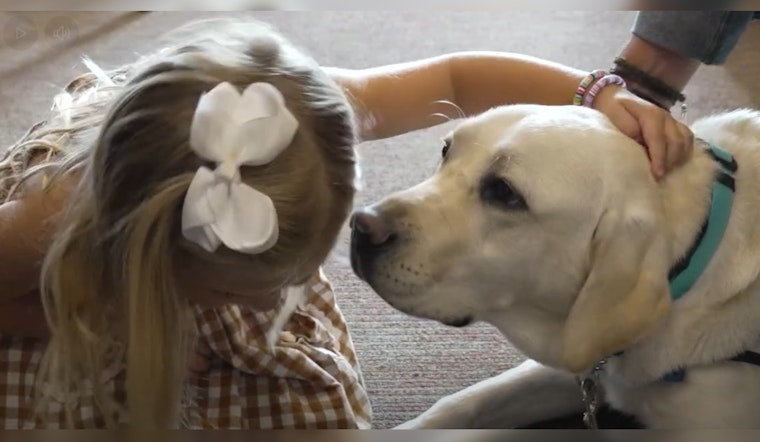
Testifying in court is hard for almost anyone, and it can be terrifying for a child. In Tennessee, judges now have a new tool to take the edge off: certified facility dogs that can quietly sit with children and other vulnerable witnesses while they testify. Lawmakers have signed off on the practice, spelling out how the animals must be trained, vetted, and insured, and giving courts explicit permission to approve their use. Prosecutors say the move can calm frightened witnesses and help jurors and investigators hear a fuller version of what really happened as part of a broader slate of courtroom and victims' measures passed last year.
What the law allows
Under Public Chapter 167, the General Assembly gave Tennessee courts the green light to let a "certified facility dog" accompany a victim or other witness during testimony if a party files a motion and the judge signs off. The statute lays out minimum qualifications: the dog has to graduate from an assistance-dog organization, complete at least two years of training, pass a public-access test, carry a current veterinary health certificate, be covered by liability insurance, and it must work with a certified handler. Judges also have to explain the dog's presence to jurors and, when possible, position the animal so jurors cannot see it, according to the Tennessee General Assembly.
Prosecutors say dogs coax testimony
Prosecutors and victim-witness coordinators have been nudging lawmakers in this direction for years, pointing to small pilot programs in a few judicial districts where the dogs were already in use. An assistant district attorney in the 18th district told WATE that facility dogs often give young children a basic sense of safety that adults in suits simply cannot match. A victim-witness coordinator described one child who would not say a word until a dog padded into the room, at which point the conversation finally began. In a Tennessee District Attorneys General Conference video cited by WATE, Judge Dee David Gay said that prosecuting child-sex-abuse cases would be far more difficult without these four-legged helpers.
How other courts have handled dogs
Around the country, judges have tended to move carefully, trying to meet the needs of traumatized witnesses without tilting the playing field against defendants. Appellate decisions generally give trial judges broad discretion as long as they make a record of the precautions they take. The Courthouse Dogs Foundation has collected appellate rulings and practical tips showing that courts commonly keep the dog out of the jury's sight and tell jurors directly that the animal is not evidence and should not influence their verdict. The Animal Legal & Historical Center notes that a growing number of states now have statutes or court rules that spell out credentialing and procedural steps for using facility dogs in courtrooms.
How families can access the program
In Tennessee, anyone who wants a certified facility dog to sit with a witness has to file a motion and be ready to present proof of the dog's training and the handler's credentials at a hearing. Courts can also require documentation of liability insurance and a current health certificate, according to the Tennessee General Assembly. Families and attorneys can ask a victim-witness coordinator or their local district attorney's office whether a facility dog is available in that judicial district, WATE reports. The statute took effect April 11, 2025, and prosecutors say they are now working to spread access beyond the small number of districts that already had dogs in place.
Legal and practical questions
Defense lawyers have raised a predictable concern: that a calm, comforting dog sitting next to a witness might win extra sympathy from jurors and quietly sway a verdict. But research and case law gathered by advocates and legal scholars indicate that when courts tightly control visibility and clearly instruct jurors, well-run programs create little prejudice. Appellate courts often defer to trial judges on how to accommodate vulnerable witnesses, particularly when the record shows the judge weighed possible unfairness before allowing a dog. Even so, rolling out the program in more Tennessee courtrooms will likely churn up practical questions about training benchmarks, handler certification, and insurance details that local offices and judges will have to sort out case by case, issues highlighted in materials from the Animal Legal & Historical Center.





