

























































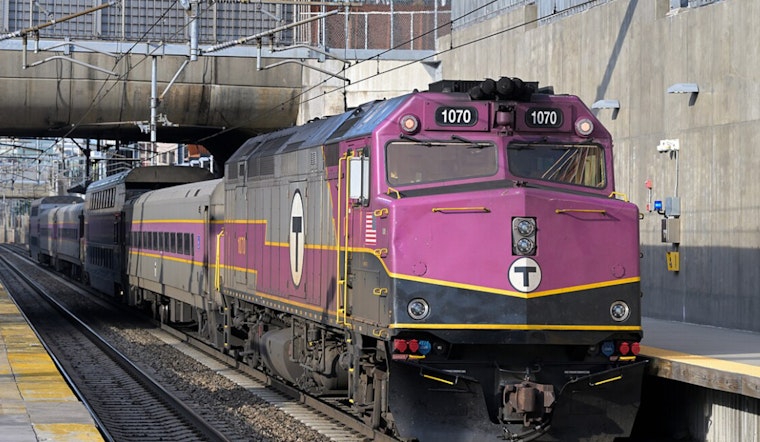
Greater Boston’s commuter rail is heading into its biggest changing-of-the-guard in more than a decade, and the stakes are sky high for anyone who depends on the trains to get to work, school, or a game at Fenway. The Massachusetts Bay Transportation Authority has kicked off the final, high‑stakes phase of a multibillion‑dollar contest to run the system once the current deal expires in mid‑2027. Three multinational teams are now digging into the details, and the winner will have a major hand in how fast the network moves from aging diesel equipment to a more frequent, electrified regional rail service.
The Shortlist And Timeline
The MBTA issued an initial request for proposals in December to three previously qualified teams and is now in what it calls a “competitive dialogue” phase, while bidders spend about nine months on due diligence before submitting full proposals in fall 2026. The shortlist includes a Keolis joint venture with Alstom, a Mass Regional Rail team made up of Alternate Concepts, TransitAmerica and RATP Développement, and a Transdev North America partnership with Transport UK. Whoever wins will be responsible for daily train operations, maintaining infrastructure and parking facilities, and helping deliver battery‑electric service on the Fairmount Line. The three‑way contest was first spotlighted in January when Hoodline shortlisted three contenders.
What's At Stake For Riders
The commuter rail network handles roughly 100,000 boardings on an average weekday and serves more than a hundred stations, which makes this one of the largest operating contracts the T ever hands out. How the MBTA bakes performance incentives into the new agreement - everything from on‑time expectations and fare collection to capital investments - will go a long way toward determining whether riders see more frequent, more reliable trains anytime soon. Transit advocates argue this is a once‑in‑a‑generation shot to lock in lasting improvements instead of chasing short‑term fixes, according to data from MassDOT Tracker.
Keolis's Run And The Rematch
Keolis’ North American arm first landed the MBTA commuter rail contract in 2014 and has been running the system ever since. Its early years were rocky, with service breakdowns and multimillion‑dollar penalties that left many riders skeptical. The original 2014 award was worth about $2.68 billion, and later extensions pushed the total price much higher, a reminder of just how costly this next deal could be. This time around, Keolis is leaning into the argument for continuity by teaming up with Alstom Transport USA, adding a major rail manufacturer to its proposal, according to The Boston Globe.
Electrification And The Fairmount Mandate
Electrification is front and center in the new contract talks. The MBTA wants the winning bidder to roll out battery‑electric multiple units, or BEMUs, on the Fairmount Line as an early proving ground for decarbonizing the whole commuter rail system. The Healey‑Driscoll administration and the MBTA have approved roughly $54 million to launch the Fairmount BEMU program, with the goal of putting the first battery‑powered trains into service by early 2028, according to Mass.gov. Transit advocates say any winning operator needs to commit to firm timelines and strong service standards if those investments are going to translate into lasting ridership gains, a point underscored by TransitMatters.
What To Watch Next
Final bids are due in fall 2026, and the MBTA aims to pick a preferred operator by the end of that year so the new team can take over when the current agreement runs out in mid‑2027. The details buried in those proposals - vehicle purchases, staffing plans, and concrete strategies for meeting tougher performance metrics - are expected to separate serious contenders from those just offering glossy promises. “We’re hopeful that the selected operator will be able to continue the meaningful progress made to improve service and bring riders back to the system,” A Better City CEO Kate Dineen told The Boston Globe. Industry outlets say the T is on track to allow for a July 2027 transition, according to Metro.





