

























































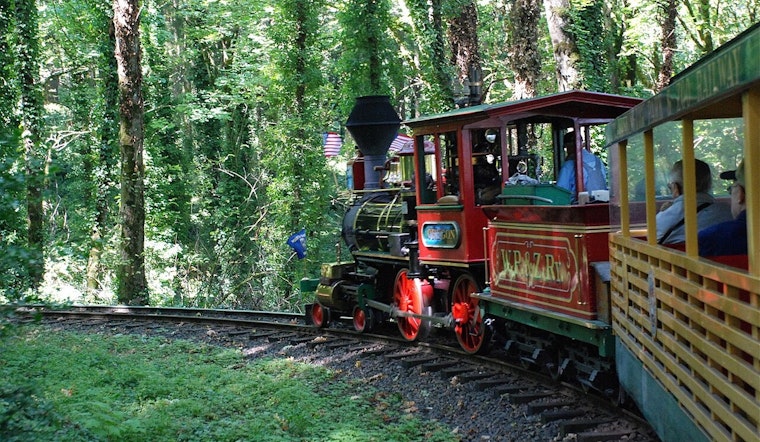
After years of petitions, meetings and heartfelt pleas, the long-dormant Washington Park loop for the Oregon Zoo's tiny trains finally has a bit of momentum. Metro just carved out a starter pot of cash for a geotechnical study and is asking community partners to help cover the rest. For advocates, it is the first truly concrete step toward reviving the full forested route that ran from 1960 until the line was cut back in 2013.
Metro Puts Study Money On The Table
On Tuesday, the Metro Council voted unanimously to keep working with the City of Portland on planning and funding for a possible return of the longer Oregon Zoo - Washington Park rail loop. The council set aside $50,000 for a geotechnical assessment, with councilors making that money conditional on other groups raising roughly $200,000, according to OregonLive.
Petitions, Volunteers And Quiet Track Work
Community advocates have been organizing for years to bring back the Rose Garden Loop. A petition on Change.org shows more than 44,600 verified signatures. The nonprofit Friends of Washington Park and Zoo Railway has coordinated volunteer track clearing and privately funded engineering work, including an updated Shannon & Wilson assessment, trying to keep the line from literally disappearing into the woods while officials debate its future.
Zoo Has Other Priorities
The Oregon Zoo has told officials it does not have the capital to fix the full route and that large-scale track work does not line up with the zoo's core mission of wildlife conservation, according to reporting from OregonLive. For now, the attraction runs a short, roughly six-minute loop inside the zoo campus instead of the 20–35 minute forest trip that older Portlanders remember, a detail noted by OPB.
Historic Status, Modern Headaches
The line was listed as the Portland Zoo Railway Historic District on the National Register of Historic Places in 2020, which gives the corridor legal protections and makes removing the tracks more difficult, according to the National Park Service. The historic designation does not pay for repairs, however, and Metro has previously pointed to geotechnical problems tied to zoo construction that pushed costs higher, a dynamic described in Metro materials about elephant-habitat work.
What Comes Next For The Little Trains
With Metro's $50,000 pledge in place, officials say the new geotechnical study should finally provide a clearer price tag and timeline for any repairs. Task-force co-chairs, including City Commissioner Olivia Clark and Metro Councilor Christine Lewis, along with Friends leaders, say they plan to keep pressing ahead with fundraising and volunteer efforts. Community contributions will be crucial to unlocking more public dollars, according to updates on Change.org and the Friends' website.





