

























































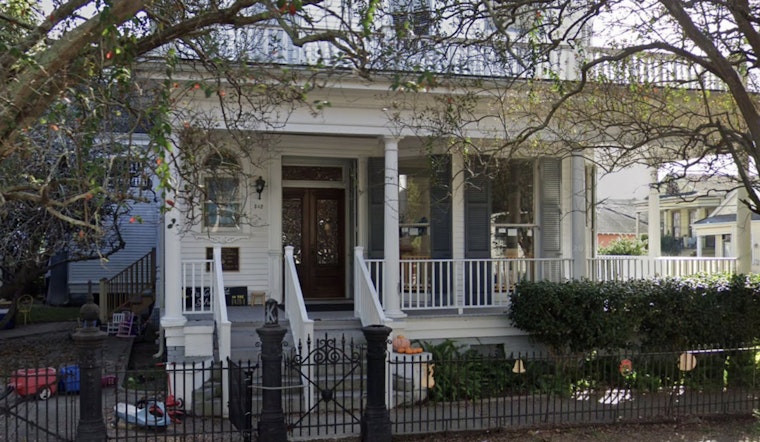
After a toddler was severely poisoned by lead at an Algiers Point daycare, State Sen. Patrick McMath is pushing a new safeguard he describes as basic common sense. The lawmaker has prefiled SB37, a bill that would force schools and early-learning centers to turn over lead test results for buildings, water and nearby soil before students ever set foot in a classroom. McMath, who chairs the Senate Health & Welfare Committee, says the measure is meant to close a gap between what facilities are supposed to report and what inspectors actually review.
What SB37 Would Do
SB37 would apply to every early learning center, every public or nonpublic school with a prekindergarten program, and every public or nonpublic elementary school built before 1978. To get state approval to open, those sites would have to submit lead testing results for the building itself, its drinking water and the soil next to the property. If contamination is found, the Louisiana Department of Health could not sign off on occupancy until a follow-up inspection verifies that abatement is complete. The full language is available through the Louisiana Legislature.
Why The Lawmaker Says Action Is Needed
McMath has said he filed SB37 in direct response to FOX 8's "Lead Astray" investigation, which showed a West Bank daycare opening its doors without documented lead testing that was required. He has framed the bill as an attempt to "close the gap" between existing reporting rules and the limited checks carried out during state inspections. McMath is expected to shepherd the proposal through the Senate Health & Welfare Committee that he chairs. FOX 8 first detailed his response, and the committee roster is listed on the Louisiana Senate site.
How The Algiers Case Unfolded
The political push began with a scare at The Crescent School in Algiers Point. The preschool abruptly shut down in July after a routine pediatric visit revealed a toddler with dangerously high blood lead levels. Follow-up environmental testing then found lead in dust inside the facility and on the grounds. Reporting shows the daycare owner had completed state licensing checklists and received a recommendation to open, while pre-opening inspections at the time did not include any lead testing. That gap left families searching for answers about how a fully licensed program could still be hazardous.
Even relatively low levels of lead can harm young children's development, according to federal health guidance. As reported by Axios New Orleans and local coverage from WDSU, the sudden closure displaced roughly 30 families and immediately sparked disputes over remediation responsibilities and the school's lease. Federal guidance underscores that no level of lead in children is known to be safe, and the CDC details the developmental harms that can result.
Legal Fallout
The story did not end with the school's closure. At least three families have now sued The Crescent School, its landlords and the state, alleging that all three failed to test for lead and to enforce existing law. The suits seek damages and medical monitoring for children who may have been exposed. One complaint filed in August, which names Olivia and Alika Yuen, says their daughter is still receiving treatment. Lawmakers backing SB37 point to these cases as evidence that oversight and clear reporting rules are not abstract issues but concrete protections. FOX 8 documented the lawsuits and the family's ongoing care.
Scope Of The Problem: Pipes, Testing And Costs
Advocates and recent studies say the Crescent case sits inside a much larger New Orleans problem. Localized testing and nonprofit-backed research have found lead in many tested homes, and the city's aging infrastructure, including water service lines, remains a significant risk factor. A report from Verite News and the Water Collaborative documented detectable lead in a large share of homes they tested. Other local coverage shows the Sewerage & Water Board is prioritizing pipe replacements near schools.
None of that work comes cheap or fast. Full service line replacements and building remediation can drag on and carry hefty price tags, which raises a predictable but thorny question: who pays to make classrooms safe. For more detail on utility testing and replacement efforts, see reporting from KSLA.
Next Steps For The Bill
SB37 has been prefiled and provisionally sent to the Senate Health & Welfare Committee, which will decide whether to advance the bill, rewrite it or let it die quietly. The debate is already centering on money. Lawmakers and providers alike are asking who will cover testing and remediation costs, and whether the state will put real resources on the table for smaller centers that cannot absorb large surprise bills.
How the committee moves will determine whether verified lead testing and abatement become hard conditions for occupancy, or whether legislators add funding, grace periods or other carve-outs meant to soften the blow for smaller operators. The bill's status and history are available on LegiScan.
For now, parents and child care providers are watching to see how quickly the Legislature acts and whether any new mandates arrive with real help to pay for fixes. SB37 lays the trade-offs out in plain view: lawmakers must decide if stricter enforcement is the default protection for children, and who shoulders the upfront cost to make that protection real.





